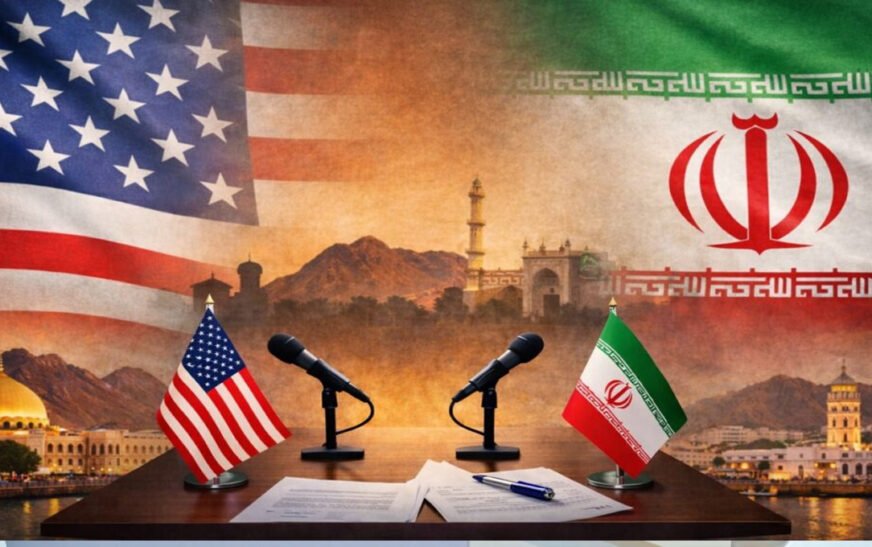


DOHA: Qatar has reiterated its unwavering confidence in Pakistan’s role as a mediator in the ongoing US-Iran negotiations, stating that there is no need for a new intermediary in the peace process.
The statement came from Qatar’s Ministry of Foreign Affairs, which also addressed recent claims about secret deals or backdoor agreements with Iran
According to the spokesperson for Qatar’s Ministry of Foreign Affairs, any rumours or suspicions regarding any secret understanding or deal made with Iran were “baseless.” The spokesperson also highlighted that Qatar has always been in favor of collective peace and against signing any individual peace deal with any single party. For Qatar, the aim is stability in the region.
The spokesperson said, “Our target has always been the stability of the region and bringing down the tension levels through a ceasefire.”
It was further made clear that Qatar had not altered its position on its mediating role in any way and that it continues to support the involvement of Pakistan in negotiations between the United States and Iran. The spokesperson reiterated that Qatar remains committed to diplomacy and negotiations, especially in view of recent events and the need for international deliberations for a durable peace.
#Qatar‘s Foreign Ministry Spokesperson @majedalansari told a weekly press briefing on Tuesday that “the whole region” is engaged with #Pakistan‘s mediation efforts in ending the U.S.-Israel war on #Iran. pic.twitter.com/k6nzW9UWTQ
— Doha News (@dohanews) April 14, 2026
8 days left: US-Iran ceasefire deadline approaches amid high tensions
Meanwhile, the clock is ticking as only eight days remain until the expiration of the ceasefire between the United States and Iran, raising concerns about the potential escalation of tensions in the region.
According to news coming from Washington, the current state of affairs leaves much to discuss; in particular, sources in close contact with the negotiating parties revealed that no one declared an end to the talks. Such an outcome could signal that the process of negotiation continues, despite all difficulties.
The core problem lies in mistrust between the two countries. The Iranian representatives, having already had some bad experience in their interaction with the U.S., are concerned about the real intentions of the Americans. For instance, during the previous few months, the Iranian side took part in two rounds of discussion with the American delegates, but was struck by the military immediately after these discussions were held.
However, US President Donald Trump, known for his flexible approach to deadlines, has not entirely closed the door on the negotiations. Sources indicate that Trump might be open to a new agreement under which Iran would be prevented from acquiring nuclear weapons for a specified period. But for that to happen, Trump is expected to consider several crucial factors, particularly regarding the long-term stability of the Middle East and the broader implications of such a deal.
According to reports, Trump may be willing to enter into an agreement through which Iran will be prohibited from developing nuclear weapons within a specific timeframe. However, for this to happen, it is anticipated that the President of the United States will take into account certain essential factors relating to the stability of the region in the long run.
In addition, a report has shown that there are two fundamental considerations behind Trump’s strategy in regard to Iran, which include his willingness to refrain from getting involved in yet another long-standing war in the Middle East and his ambition to secure a better deal compared to the previous deal entered into by former President Barack Obama, which was highly criticized by Iran.
At the end of the day, both countries have reached an important point as far as their negotiations and the ceasefire are concerned.