

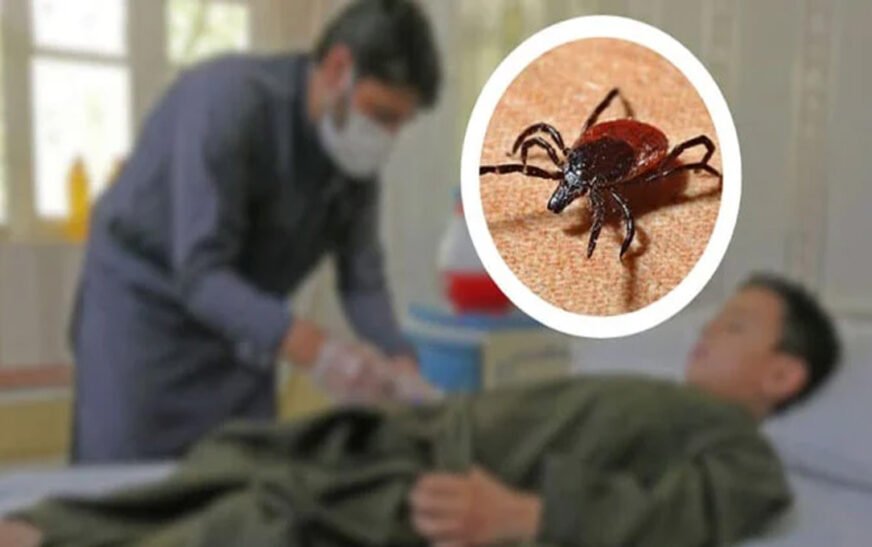
ISLAMABAD: The National Institute of Health (NIH) issued a warning about the likelihood of spreading the Congo fever disease during the Eid-ul-Adha holidays.
According to the advisory by the NIH, due to the unique movement of animals during Eid-ul-Adha, there is an increased risk of contracting the Congo fever because the Congo virus is usually carried by ticks in the fur of goats, sheep, and rabbits. The disease may also be contracted by the bite of these ticks and exposure to the blood of the infected animals.
There is also an additional warning that the risk is increased at this point due to the movement of the sacrificed animals between provinces prior to the celebration of the Eid-ul-Adha holidays. It is particularly recommended that children avoid getting into contact with these animals since they are more susceptible to infections.
There are recommendations that people wear gloves during the slaughter and preparation of the meat. People should also wear light-coloured clothes to be able to see ticks attached to their clothes. The advisory has also called for the authorities of different provinces to take timely action against the virus.
The report further revealed that the majority of Congo fever cases are reported in Balochistan, with other provinces such as Punjab, Sindh, and Khyber Pakhtunkhwa also reporting cases. In 2024, there were 61 confirmed cases of Congo fever, with a death rate of 15%. In 2025, the number of reported cases rose to 82, with 20 deaths.
So far, four cases have been reported in the first three months of this year. Authorities are urging the public to remain vigilant and for governments and health departments to take proactive steps to prevent the spread of the virus.