
Ramzan is considered a month of mercy, blessings and self-accountability; however, the responsibility of people with diabetes increases during this month.
The long period from Pre-fasting to Iftar, changes in sleep habits and medication timings, as well as sudden overeating at Iftar can cause rapid fluctuations in blood sugar levels, so diabetics should take precautions while fasting.
According to medical experts, diabetics can maintain their health even during Ramadan by eating a balanced diet, checking blood sugar regularly and following the doctor’s advice.
Not eating proper in pre-fasting(Sehri) can increase the risk of sudden low blood sugar, so pre-fasting should be one that provides long-lasting energy and helps balance blood sugar levels.
Health experts recommend a suitable diet plan for Sehree, reducing the concerns of diabetic patients. According to medical experts, when making bread for sehree, add a small amount of barley to wheat flour and along with it, it is essential to keep an appropriate portion of protein.
Using eggs or chicken is best to meet the required amount of protein, in addition, it is also important to use healthy fats and drink plenty of water. According to experts, diabetic patients should avoid fried, greasy and highly spicy foods during Sehree and strictly avoid sweet items. Grind stevia leaves and add them to drinks as a natural alternative to sweeteners.
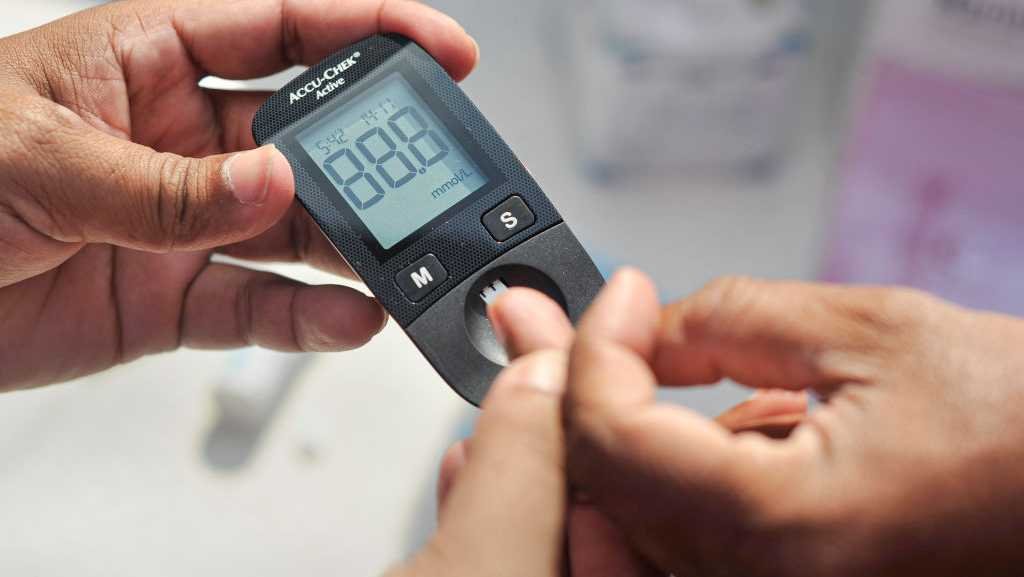
Medical experts also emphasize that blood sugar levels should be monitored regularly. Diabetic patients should check their sugar levels after Sehree, before Iftar, and after breaking their fast to maintain health during Ramadan.
Read also: Hope for diabetes patients: Gene discovery could lead to more effective treatments