

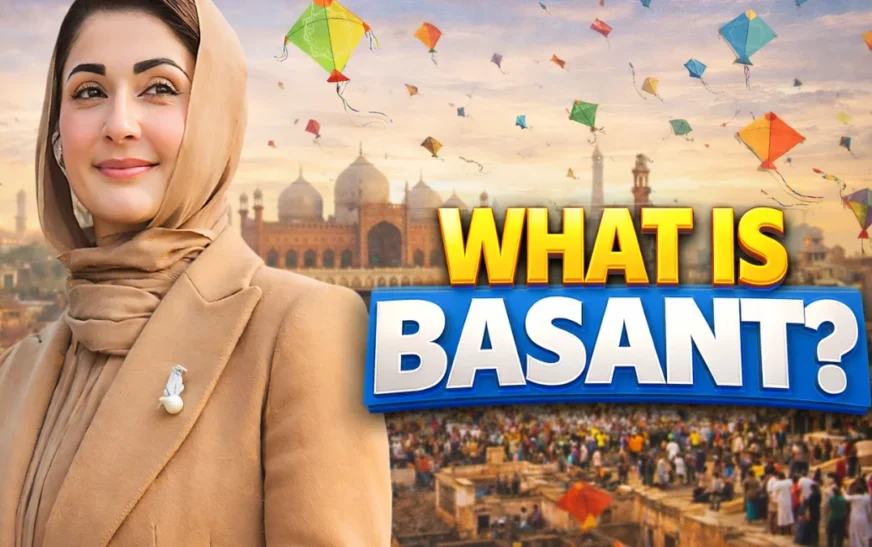
Basant laterally means Spring, specifically Basant Panchami, which is a vibrant festival celebrated primarily in the Indian subcontinent. It marks the arrival of spring and is associated with various cultural, religious, and agricultural significance.
Basant falls on the fifth day of the Hindu month of Magha (usually January or February). In Hindu mythology, it is said to be the day when Goddess Saraswati, the deity of knowledge, arts, and wisdom, was born.
Goddess Saraswati is often depicted in yellow attire, symbolizing knowledge and learning. The color yellow also represents the blooming mustard fields and the overall vibrancy of spring. Worshipping Saraswati on Basant Panchami is a common practice, especially in educational and artistic settings.
Spring and Fertility Celebrations
The festival also marks the arrival of spring, a season that symbolizes new beginnings, growth, and fertility. In ancient agricultural societies, it was a time to celebrate the end of winter and the start of a more productive and fertile period. The blooming of mustard fields (bright yellow) during this time made the color yellow an important part of the festival. The color yellow, seen in mustard fields, is central to Basant celebrations. People wear yellow clothes, and dishes made with saffron or turmeric are often consumed. The yellow color symbolizes energy, fertility, and the brightness of the sun.
Cultural and Regional Origins of Basant in Punjab
Basant has strong cultural roots in the Punjab region (both India and Pakistan), where it is celebrated with great enthusiasm. Here, the festival has taken on a unique form, with people flying kites as part of the tradition. Kite flying symbolizes a celebration of freedom and joy and has become an iconic part of Basant in Punjab. The practice is so popular that the region’s spring festivals are often referred to as “Basant” or “Basant Festival of Kites.” In the past, the festival was celebrated by the elite, but over time, it became a public celebration, enjoyed by people from all walks of life.
Royal Patronage in the Mughal Era:
The tradition of kite flying and celebrating Basant in a more grandiose manner has roots in the Mughal period. Mughal emperors like Emperor Akbar are believed to have celebrated Basant with great pomp. The Mughal court used to host grand kite festivals, and this influenced the tradition in the northern regions, especially in Lahore and parts of India.
Basant and the Sikh Tradition
For Sikhs, Basant Panchami holds special importance because of its connection to Guru Gobind Singh Ji, the tenth Sikh Guru, who was born in the month of Basant. While Sikhs celebrate the festival, it is typically more focused on religious devotion and remembrance of Guru Gobind Singh’s contributions to Sikhism.
Modern-Day Celebrations
Over the years, Basant Panchami has become a festival that is not only religious but also deeply cultural. It has evolved into a broader celebration of nature, the arts, and creativity, with kite flying, music, dance, and vibrant attire playing a central role.
Read also: Punjab government bans Kites with images of Imran Khan