
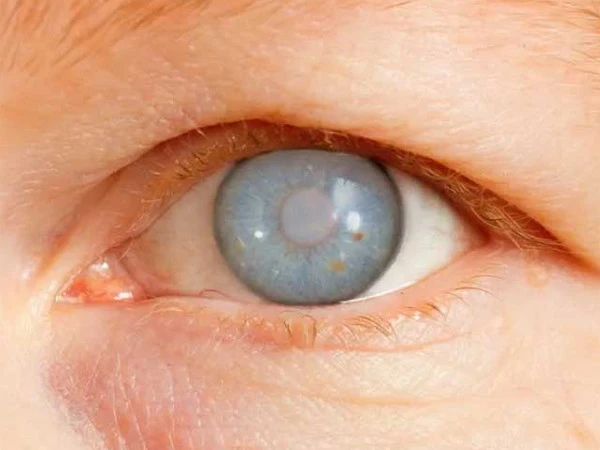
A new study has shown that weight loss drugs can cause dangerous eye diseases in some people, which can lead to vision loss.
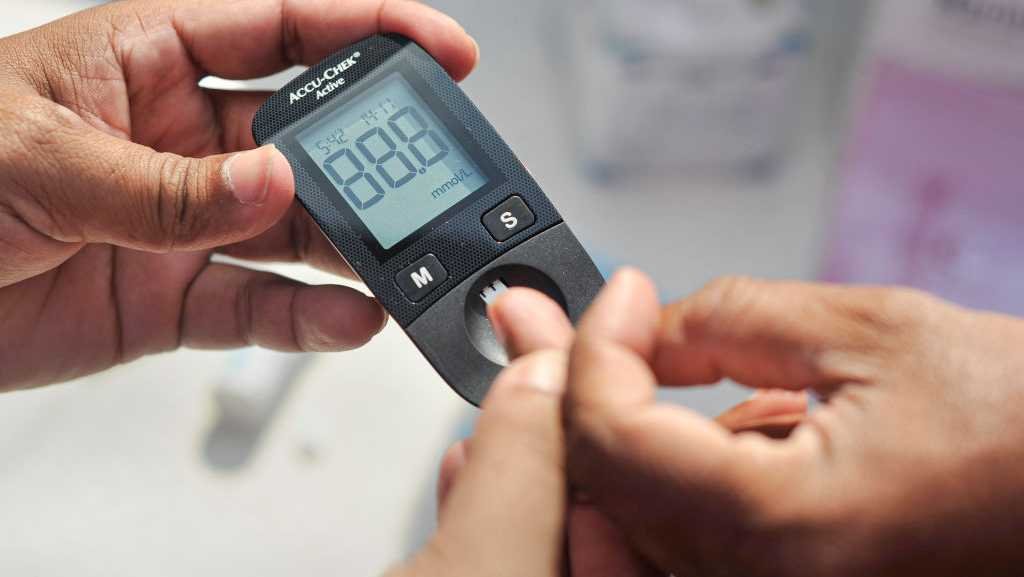
A study published in the journal JAMA reviewed data from nearly 1.5 million people. The study found that people with diabetes who were using drugs such as semaglutide or tirzepetide had a higher risk of developing optic nerve disorders.
According to the researchers, the study specifically highlighted a rare but dangerous condition called ‘non-arteritic anterior ischemic optic neuropathy’ (NAION), in which blood circulation to the optic nerve suddenly decreases or stops, causing an ‘eye-stroke’. Patients become aware of this when they lose vision in one eye.
Until now, there is no cure for the condition in the medical world. A previous study had suggested that one in 10,000 patients had a chance of developing the condition. But in the latest study, out of more than 150,000 people with type 2 diabetes who were using drugs such as Semaglutide or Tirzepetide, NAION was found in 35 people.
Read also: UK study finds air pollution may harm children’s eyesight
LONDON: A recent UK study has found proof that air pollution might harm children’s eyes. The new study showed a link between exposure to pollutants like nitrogen dioxide (NO₂) and fine particulate matter (PM2.5) and a drop in distance vision among children.
Although we have known for some time that air pollution is linked to major health problems including more than 16,000 early deaths in children and 30,000 new This is the first instance researchers have indicated a link between pollution and how children’s vision grows in asthma occurrences every year.
Details indicate that lowering exposure to air pollution could help to reduce the likelihood of myopia (nearsightedness) in developing youngsters, according to the study team at the University of Birmingham.
Although research has linked myopia in children to genetics and screen time as risk factors, this is the first to present air pollution. Said Professor Zongbo Shi, co-lead author of the study, as a possible cause.
Particularly nitrogen dioxide and PM2.5, traffic-related pollutants were directly related in the study with a loss of children’s unaided near vision.
ALSO READ: Study connects low water intake to rise in stress hormone
These findings draw attention to yet another pressing public health problem, especially in view of growing congestion in cities and increasing global number of children needing vision correction.