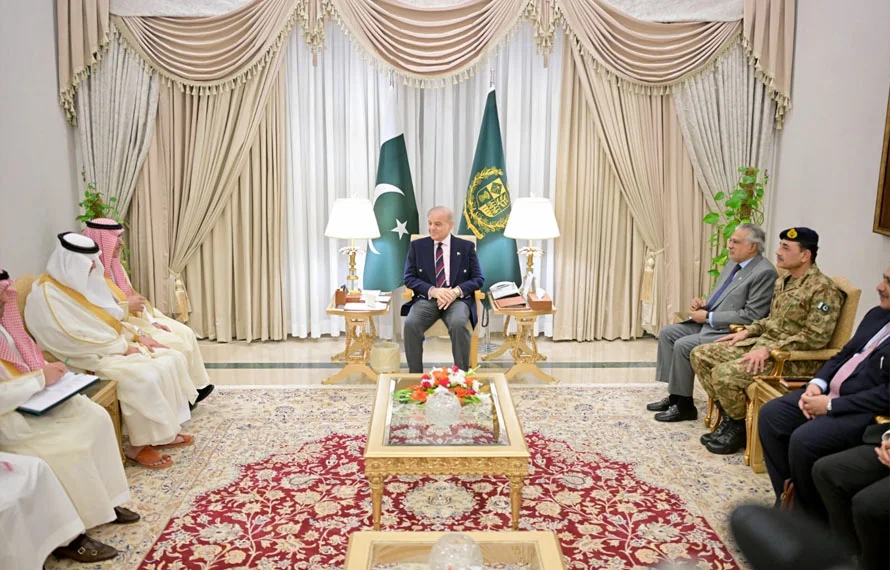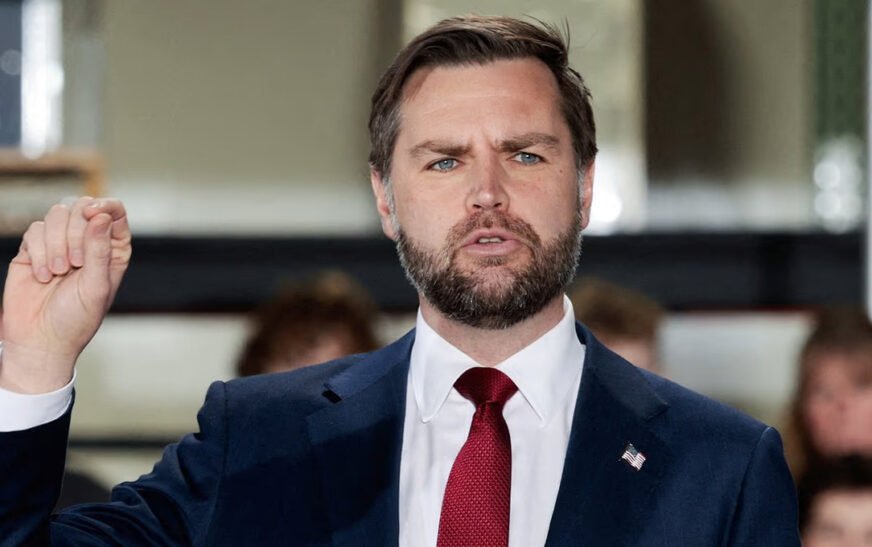

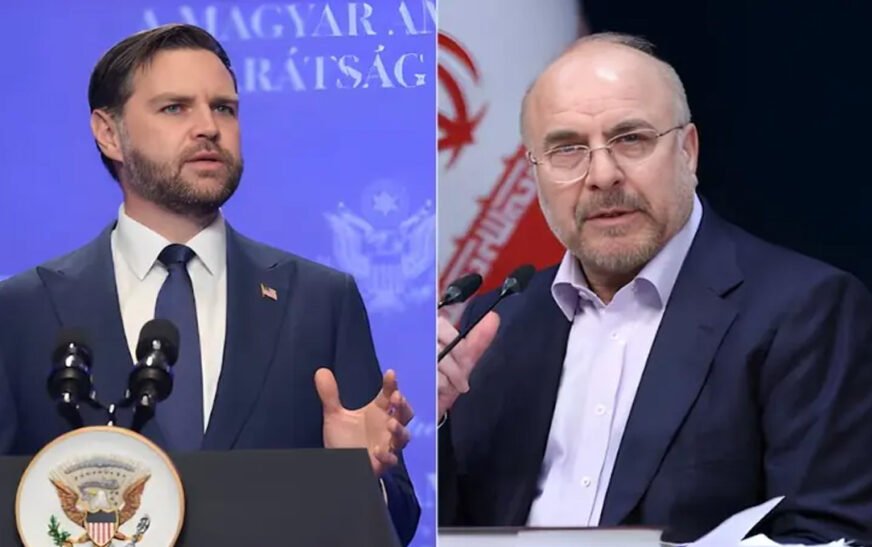
ISLAMABAD: Vice President of the United States JD Vance and Iran’s Parliament Speaker Mohammad Bagher Qalibaf will come to Pakistan today in a highly anticipated move for serious negotiations to be conducted.
The Vice President’s visit to Pakistan is one step towards the engagement of the two nations through direct negotiations organized in Islamabad.
According to Geo News report, in addition to VP Vance, Steve Witkoff and Jared Kushner from the USA will be participating in talks with their Iranian counterparts. Meanwhile, a support group consisting of 23 individuals, including negotiators and security personnel, was flown in earlier on the same day.
Caroline Leut, spokeswoman at the White House, stated that President Donald Trump authorized dispatching the negotiation team to Pakistan, and the talks are due to start early in the morning on April 9.
The Iranian delegation consists not only of their Parliament speaker but also the foreign minister, Abbas Araghchi, thus setting a milestone in relations between Washington and Tehran.
This visit is happening amid several events that have taken place in the Middle East recently.
Vance dismisses Iran’s first proposal, new talks underway with Pakistan
Earlier, US Vice President JD Vance has confirmed that the first ten-point proposal presented by Iran has been rejected, and discussions are now underway on a new set of proposals involving both Iran and Pakistan.
In a media interaction, Vice President Vance asserted that Iran’s initial ten-point plan had been discarded, contrary to reports from The New York Times, which suggested that the US was still in talks over it. “We have thrown it in the trash,” he said, adding that some individuals in Iran were pushing a misleading narrative about the plan for propaganda purposes.
In response to remarks made by Iran’s Parliament Speaker, Mohammad Bagher Qalibaf, Vance said that he had come across Qalibaf’s tweet regarding the 15-point plan, adding that despite possible disagreements on three issues, it is good to hear about common grounds on many issues of the plan.
Furthermore, Vance pointed out the opening of the Strait of Hormuz by Iran, which could prove to be an important event, in addition to the choice of Islamabad as the venue for holding negotiations. However, he added that the talks could be described as progress despite the existing distrust between the two sides regarding their intentions. “Violations of the agreement after bargaining can bring serious consequences,” he stressed.
With regards to any ceasefire violations, Vance reiterated that the problem of ceasefires having problems has always been common, but efforts will be made to make sure both sides stick to the agreement despite such problems.
On the question of whether Lebanon was included in the ceasefire, Vance stated that it was a misinterpretation by the Iranian government regarding the ceasefire and that the United States had not officially said anything concerning the inclusion of Lebanon. If Iran wanted to allow the Lebanon situation to affect the talks, it would be its prerogative.
The increase in traffic through the Strait of Hormuz and the fall in oil prices were seen as good signs of the outcome of the talks. The deal, according to Vance, would only be achieved after a ceasefire and negotiations. He added that at this point, it would be time for Iran to do something.
When asked about sanctions, Vance stated that the US would be open to talk of lowering the sanction level.