

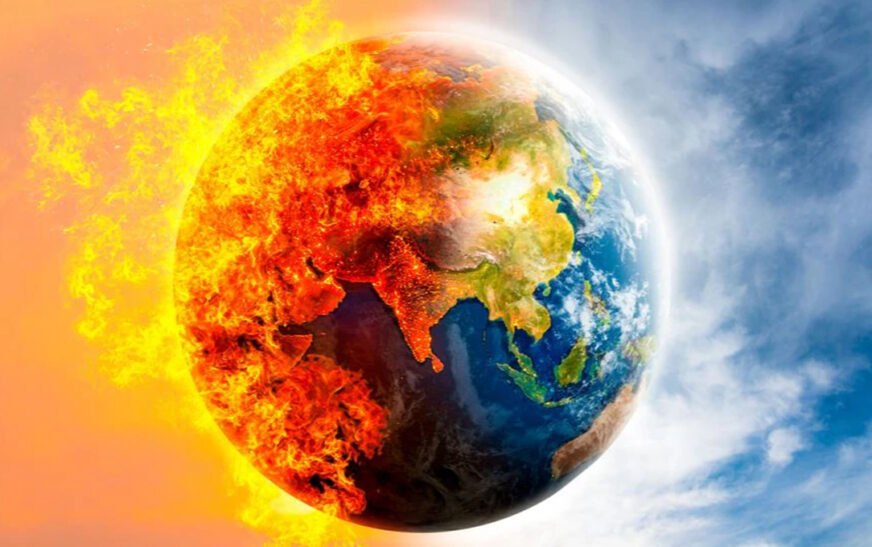
NEW YORK: The National Oceanic and Atmospheric Administration (NOAA) has raised alarms about an upcoming summer El Niño which forecasters believe will produce record-high global temperatures and extreme weather patterns.
According to NOAA’s Climate Prediction Centre, there is a 62% probability of El Niño development during the period from June to August which establishes natural climate phenomena as the primary factor influencing this year’s climatic conditions. The forecasts predict that the system will develop into a “super El Niño” which will create record-breaking temperature increases.
What is El Niño?
The warm phase of El Niño functions as a climate pattern which El Niño-Southern Oscillation (ENSO) operates through sea surface temperature variations in the tropical Pacific Ocean. This phase brings warmer water accumulation into the eastern Pacific Ocean which causes the jet stream to move toward southern regions. The results lead to increased heat and dryness in northern US regions while Gulf Coast and southeastern U.S. areas experience higher flood risks.
The world currently experiences La Niña which represents the cold phase of ENSO and shows sea surface temperatures declining below their normal range by 0.9°F (0.5°C) or more. The current La Niña system will end soon because it will lead into an El Niño period during which sea temperatures will rise again.
Potential for a Super El Niño
The forecasters predict that El Niño will develop into a super El Niño which represents an extreme version of the event. The phenomenon occurs when sea surface temperatures exceed their average value by 3.6°F (2°C). Such an event will cause worldwide extreme heat and higher drought conditions and unpredictable weather patterns to occur.
Paul Pastelok, AccuWeather’s lead long-range forecaster, noted that while the intensity of this year’s El Niño remains uncertain, there is potential for it to become moderate to strong as we move into the fall and winter months. AccuWeather estimates there is a 15% chance of a super El Niño developing by the end of the 2026 hurricane season in November.
Global Impact
NOAA forecasts a 33% probability of a strong El Niño developing between October and December, but scientists cannot determine its exact strength at this time. The expected intensity of the storm will lead to extensive heatwaves and droughts and more powerful storms which will affect especially vulnerable areas.
The global community prepares for El Niño’s disruptive effects while scientists observe the current situation. Countries prepare for what could become a record-breaking summer.