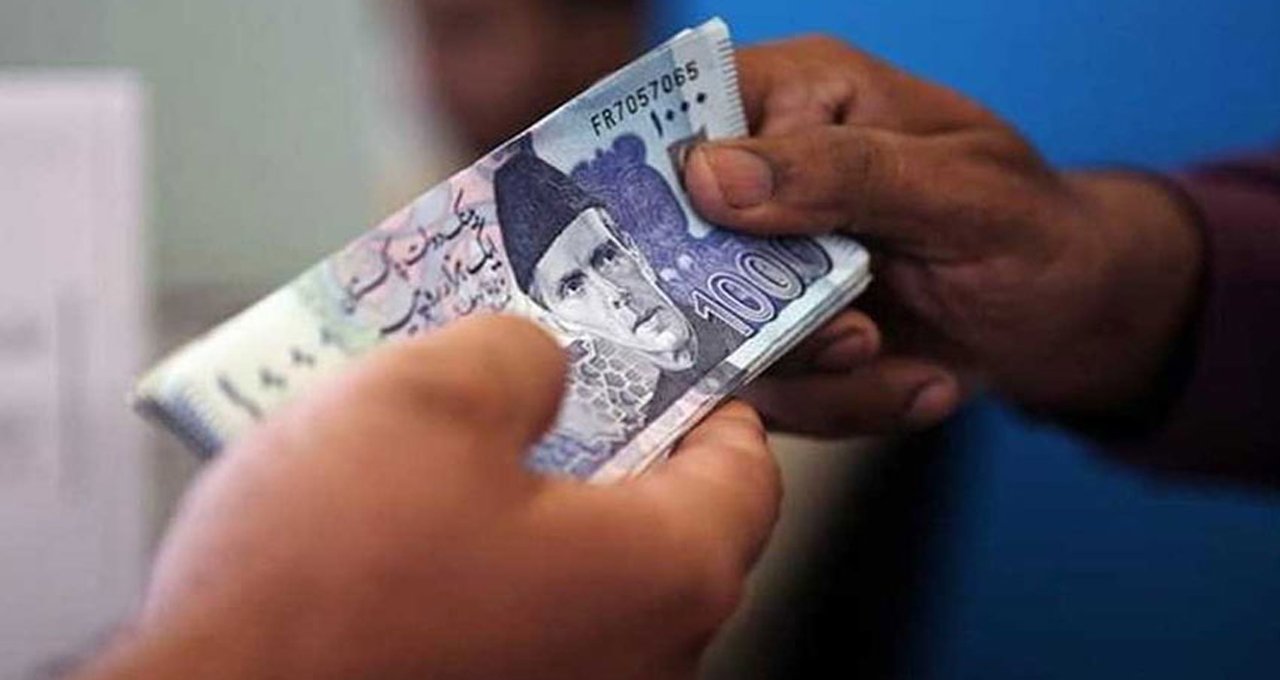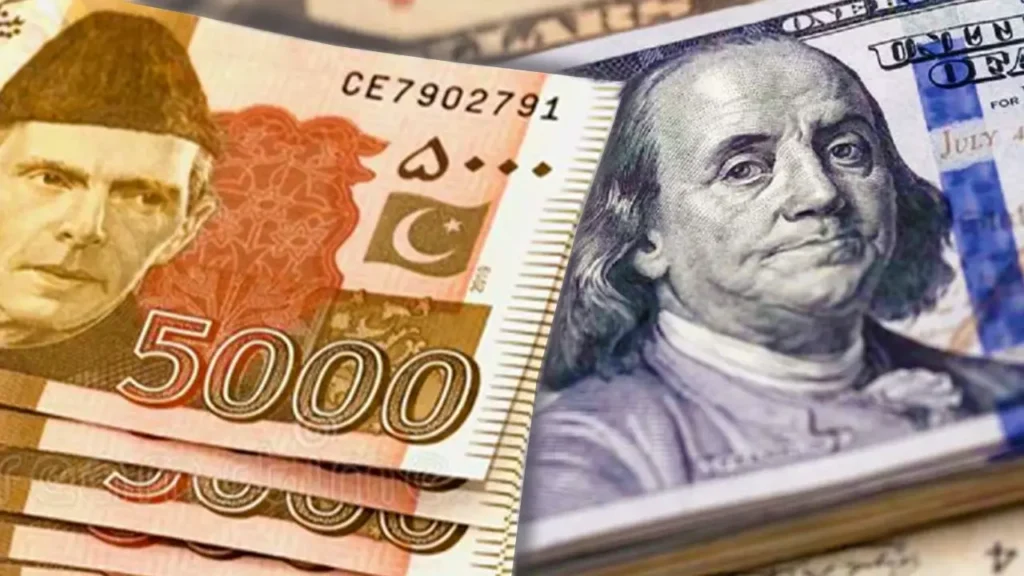


KARACHI: The State Bank of Pakistan has decided to maintain the interest rate while announcing a new monetary policy.
The Monetary Policy Committee (MPC) has decided to keep the policy rate unchanged at 10.5 per cent during its meeting today. The Committee observed that the headline inflation rate was 5.6 per cent year-on-year in December 2025, which aligned with its expectations. However, core inflation has stabilised at a relatively higher level of 7.4 per cent in recent months.
Additionally, recent high-frequency indicators (HFIs), including large-scale manufacturing (LSM), suggest that economic activity is gaining momentum faster than anticipated, primarily driven by domestic-oriented sectors. The Committee also noted that the trade deficit has widened due to a significant increase in imports, particularly in import volumes, coupled with a decline in exports. Nonetheless, thanks to resilient workers’ remittances and favourable global commodity prices, the current account deficit has remained relatively contained.
In this context, the MPC found that the outlooks for inflation and the current account is broadly unchanged from its previous assessment, while the outlook for economic growth has significantly improved. Therefore, the Committee deemed it prudent to hold the policy rate steady at the current level to ensure price stability and support sustainable economic growth.
The Committee also highlighted several key developments since its last meeting. Firstly, real GDP growth was provisionally reported at 3.7 per cent year-on-year for Q1-FY26, mainly driven by the industry and agriculture sectors. Secondly, both consumer and business confidence have improved, while inflation expectations among stakeholders have eased. Thirdly, the State Bank of Pakistan’s foreign exchange reserves exceeded the end-December target, reaching $16.1 billion as of January 16, largely due to the Bank’s ongoing interbank FX purchases. Fourthly, the Federal Board of Revenue (FBR) revenue growth slowed to 7.3 per cent in December, falling short of the target. Lastly, the International Monetary Fund (IMF) has slightly upgraded its global growth forecast for 2026, while also cautioning about the risks associated with elevated global tariff uncertainty and volatile commodity prices amid geopolitical developments.
In light of these developments, the MPC assessed that the real policy rate remains adequately positive to stabilise inflation within the target range of 5 to 7 per cent over the medium term. The MPC also underscored the necessity for a coordinated and prudent mix of monetary and fiscal policies, along with productivity-enhancing structural reforms, to increase exports and achieve sustainable high growth.