

ISLAMABAD: Experts declared that merely taking a short walk after every meal can perform wonders for one’s health.
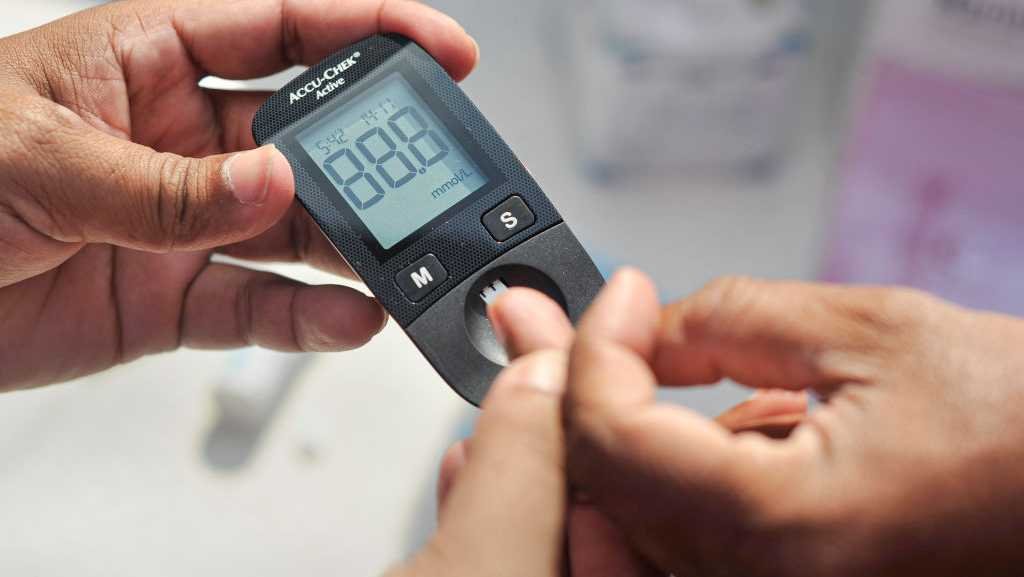
Walking after meals is one of the ways to break down inefficient food intake by the muscles of the body, thus more glucose is converted into energy. Consequently, it inhibits sharp upward movements of blood sugar and thus the eventual occurrence of type 2 diabetes is avoided.
Glucose is one of the simplest sugars and it is present in both the natural and processed food sources like fruits, vegetables, grains, and other things. Insulin, the hormone that is made by the pancreas, is similar to a key that gives sugar the permission to enter the cells but most of the time the carb consumption can go beyond insulin which causes high blood sugar levels. If blood sugar is kept high over time it leads to symptoms among which are blurred vision, extreme thirst, frequent urination, headaches, muscle weakness, and eventually damage to nerves, kidneys, heart, blood vessels, and eyes.
Doctors suggest that it is better to begin a walk within 29 minutes after finishing a meal. Ten minutes of walking is considered optimal while at a normal pace even 2 minutes of walking can start to lower blood sugar levels.
Besides that, the impacts of walking after a meal are not limited to just diabetes prevention. The movement can relieve gas, help in blood pressure control, create a nice feeling of wellness, and also improve sleep quality even more.
Experts suggest making this easy action a regular routine and consulting a doctor for a tailored approach.
Weightlifting beats running in fight against obesity, diabetes
Weightlifting could very well be the most potent single activity to reduce body fat and to shield the organism from scary chronic diseases like type 2 diabetes, a new study by Virginia Tech reports, recently.
The research involved lab rats and studied in detail the effects of resistance training (weightlifting) and aerobic exercise (running) on blood sugar control, body weight, and insulin sensitivity. Rats were placed in different groups, one that was made to lift weights using a specially designed shoulder collar, the other one was provided with the running wheel, and the third group was left inactive.
The results after eight weeks showed that both exercised groups had improved their health, but in addition to that, the weightlifting group had a very impressive reduction of their body fat along with a significant improvement of their insulin sensitivity. The researchers determined that the most effective method for the prevention of obesity and type 2 diabetes was to forcibly work against weights rather than running.
Also, the study emphatically pointed out that weightlifting could be a potential source of physical activity that is more easily accessible for those who are unable to run or have difficulty in doing so. The pieces of evidence have been put together in an article published in the Journal of Sport and Health Science.
Type 2 diabetes is a slowly progressive disorder in which the pancreas fails to meet the insulin demand it causes high blood sugar levels that wreak havoc on nerves, blood vessels, and other organs over time. Regular practice of any physical activity, in particular, weightlifting, is a safe and sound way to postpone the disease’s onset and its ensuing complications.