
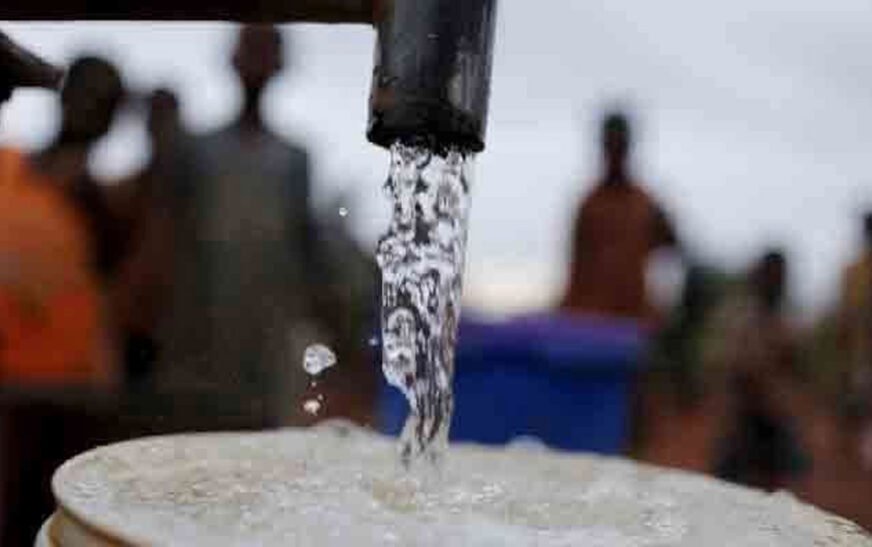
PESHAWAR: The Khyber Pakhtunkhwa government is undertaking concrete and wide-ranging measures to prevent water wastage and ensure the provision of safe and clean drinking water to citizens, said Special Assistant to the Chief Minister on Information and Public Relations, Shafi Jan.
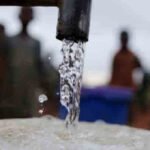
Addressing a seminar held in connection with World Water Day at the Local Governance School, Hayatabad, in collaboration with UNICEF and the WATSAN Cell, Shafi Jan remarked that water remains the cornerstone of life, public health, and sustainable development. He stressed that ensuring equitable and reliable access to safe water is a fundamental responsibility of the government.
The seminar, attended by senior officials and sector experts, featured detailed discussions on water conservation, improved service delivery, and challenges related to safe drinking water and sanitation.
Highlighting ongoing initiatives, Shafi Jan said the provincial government, under the leadership of Chief Minister Muhammad Sohail Afridi, is implementing multi-billion-rupee projects aimed at improving living standards and strengthening water infrastructure across the province.
He noted that under the Khyber Pakhtunkhwa Cities Improvement Project, work is underway on modern water distribution systems and the installation of flow meters in five major cities to curb losses and ensure efficient usage. In addition, tube well operations are being monitored through Supervisory Control and Data Acquisition (SCADA) systems to enhance transparency and prevent over-extraction and wastage.
The government is also replacing aging and inefficient water supply pipelines to reduce leakages, improve water quality, and ensure an uninterrupted supply to urban populations.
Despite these efforts, Shafi Jan acknowledged that a significant portion of the population still lacks access to safe drinking water. He said the government aims to extend clean water access to every household in the province within the next three years.
Emphasizing the link between water supply and sanitation, he said that provision of clean drinking water must go hand in hand with improved sanitation and hygiene systems to achieve sustainable public health outcomes.
He further underscored the need for better planning, effective governance, and sustained investment in water and sanitation infrastructure. “Institutional coordination, academic support, and community participation are critical for long-term success,” he added.
Shafi Jan also appreciated UNICEF’s continued support in advancing sanitation and hygiene initiatives in the province.
Calling for collective action, he urged citizens to adopt responsible water usage practices. “We must act together to conserve water and protect this vital resource for future generations by avoiding unnecessary and excessive consumption,” he concluded.