

The Political Survey 2026, which includes young citizens of Pakistan, has revealed important and far-reaching trends related to the country’s politics, governance and state institutions.
According to this survey conducted on more than 25,000 youth, although economic pressure continues to dominate the lives of youth, there has been a clear improvement in the overall direction of the country, government performance and trust in institutions.
According to the survey results, the percentage of youth who see Pakistan going in the right direction was only 8 percent in 2024, which increased to 26 percent in 2026, while the number of those who see the country going in the wrong direction decreased from 79 percent to 46 percent. Although disappointment is still prominent, the data reflects a gradual positive change in the behaviour of youth.
The most striking and attention-grabbing aspect of the survey is the growing trust of youth in the army. According to the data, the average rating of the army’s performance in 2026 was recorded at 3.36, which was 2.78 in 2025 and 2.57 in 2024. Thus, the army has emerged as the state institution that has seen the highest increase in public trust.
In addition, improvements were recorded in trust in the judiciary, police, parliament and civil service, but politicians overall still have the lowest rating in terms of public trust.
According to the survey, the overall satisfaction rate with the current government has reached 40 percent in 2026, which was 27 percent last year. The results also show that young people consider the performance of provincial governments better than the federal government. Satisfaction with provincial governments was recorded at 43 percent, while at the federal level this rate was recorded at 38 percent.
PTI’s popularity decreased by 7 percent compared to last year, while the support of the Muslim League (N) increased by 9 percent. In addition, 24 percent of the youth are still undecided, who can play a decisive role in the upcoming political scenario.
In terms of the role of development work in the last decade, 47 percent of the youth rated the PML-N better, while 46 percent of the youth rated the PTI better, indicating almost parity between the two major parties.
According to the survey, the government’s top priorities for the youth include education, health, social welfare, infrastructure and economic reforms, which more than 60 percent of the youth rated as equally important, however, economic pressure continued to be the biggest problem, where 70 percent of the youth identified unemployment as the biggest challenge. According to 55 percent of the youth, their personal financial situation has worsened in the last one year.
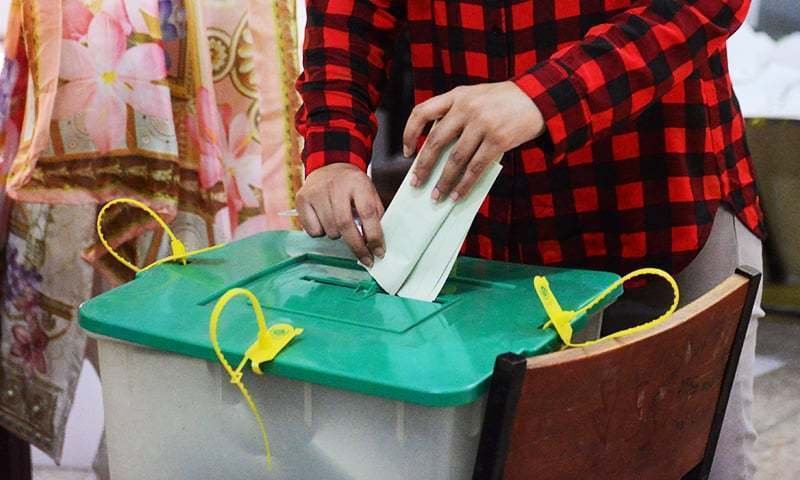
According to the survey results, there has been a resurgence in youth political interest. 70 percent of the youth are willing to vote, while 74 percent of the youth are registered voters. Confidence in the government’s ability to implement reforms has also increased from 22 percent to 29 percent.
The Political Survey 2026 indicates that there is a cautious but clear optimism emerging among the youth. Trust in the military has increased significantly, political competition has intensified and young people once again seem ready to play an active role in the political process, but economic hardship and the pressures of daily life remain the biggest challenges.
Read also: Gallup survey ranks Pakistan ahead of India in economic outlook and peace