

PESHAWAR: The Peshawar High Court (PHC) has ruled that bar associations do not have the authority to stop lawyers from taking part in court sessions or attending hearings. This ruling was made following a petition challenging lawyers’ strikes and court boycotts.
Justice Syed Arshad Ali in his 43-page judgment highlighted that these strikes infringe upon guarantees specifically Articles 4, 8 and 10A which protect the right of all citizens to a fair hearing. The court observed that strikes, by lawyers lead to the postponement of cases and impose a financial strain on the government.
The verdict states that the daily expenses incurred by courts in Khyber Pakhtunkhwa as a result of lawyer strikes are around PKR 57 million. The court recommended that lawyers should voice their dissent in a way, such as, by wearing black armbands putting up banners and conducting peaceful assemblies rather than stopping judicial processes.
The decision also directed the Additional Registrar of Peshawar High Court to circulate this guideline to all courts across the province.
PHC imposes ban on illegal gatherings in Khyber Pakhtunkhwa
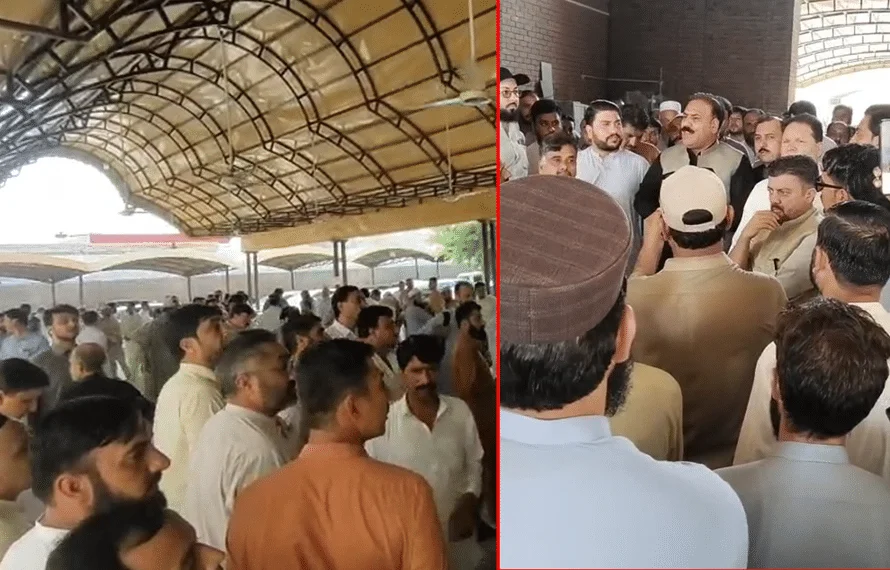
On November, the Peshawar High Court (PHC) has delivered a verdict on unlawful gatherings in Khyber Pakhtunkhwa enforcing a strict prohibition on political rallies, processions and meetings close to government offices.
In its decision the court stated that political events, such, as rallies or marches are forbidden on the grounds of government institutions. The verdict further bans these types of assemblies on the property of institutions government agencies or administrative offices.
The court highlighted that it is the duty of the authorities to guarantee the safeguarding of government assets and the correct utilization of these facilities. It also noted that the political exploitation of government property must be firmly prohibited, given that these establishments were created for defined objectives.
The documented verdict, spanning five pages was issued by Justice Sahibzada Asad Ullah. The judgment further stated that unrelated assemblies might damage the integrity of institutions. The court directed the officials in charge of various government institutions to guarantee that unrelated assemblies are stopped.
On the other hand, the attorney for the petitioner claimed that protesting at the locations of government and educational institutions is against Article 4 of the Constitution, which provides the right to be protected from illegal actions. Furthermore, the lawyer stated that unauthorized assemblies in Khyber Pakhtunkhwa have been causing loud disturbances of official government functions and educational activities.