
ISLAMABAD: Pakistan’s foreign exchange reserves have reached their highest level since March 2022, reflecting a substantial strengthening of the country’s external position and signalling a shift from previous debt-led stabilisation cycles.
Analysts say the improvement is structural, underpinned by policy discipline and reform continuity, rather than reliance on fresh external borrowing.
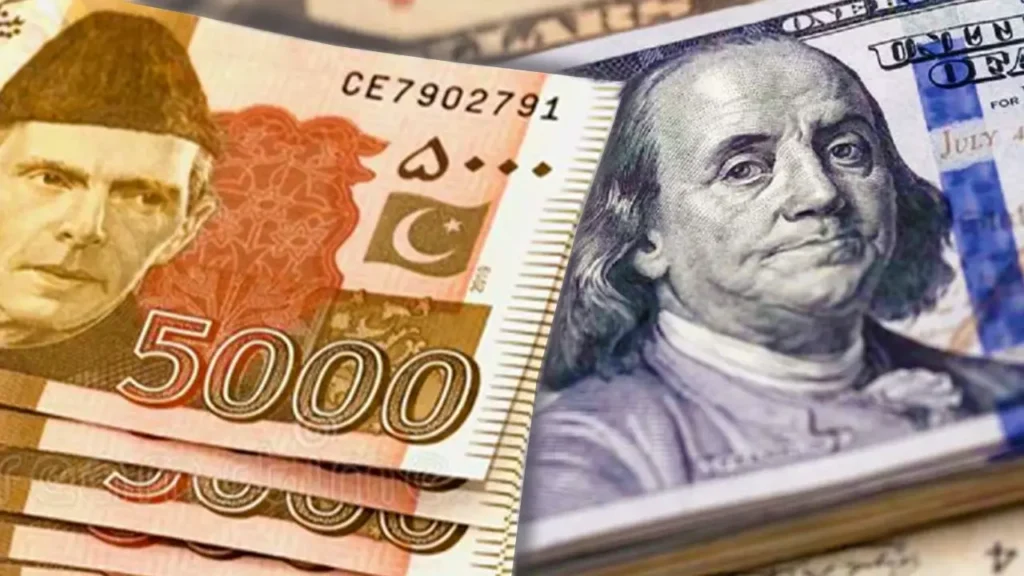
According to the State Bank of Pakistan (SBP), total forex reserves currently stand at $21.1 billion, comprising $15.9 billion held by the SBP, the highest since March 4, 2022, and $5.2 billion held by commercial banks. The import cover has improved to over 2.6 months, up from 2.38 months previously, representing a significant rise from less than two weeks in February 2023.
Experts highlight that this period differs from earlier phases (June 2015–June 2022), when external public sector debt rose from $55 billion to $100 billion on average, yet SBP reserves declined, weakening the country’s external buffers. In contrast, since June 2022, public sector external debt has remained broadly unchanged, while the external debt-to-GDP ratio has declined from 31% to 26% by June 2025. During the same period, SBP’s FX reserves increased nearly 5.5 times, from $2.9 billion to $15.9 billion. Forward FX liabilities have also been cut from $5.7 billion in February 2023 to below $2 billion.
For markets and investors, the reserve build-up signals reduced sovereign external risk, greater macroeconomic stability, and improved confidence that stability is sustainable without heavy reliance on debt. For businesses, the increase provides better FX liquidity, smoother import planning, and a more stable environment for pricing and investment.
For the general economy, the rise in reserves lowers the risk of external shocks feeding into inflation, enhances the capacity to manage volatility, and gradually restores public and investor confidence.
Analysts note that the improvement in Pakistan’s reserves is not merely numerical but structural. Key achievements include rebuilding reserves without accumulating debt, restoring import cover from weeks to months, and significantly reducing forward foreign exchange risks.
“This is a decisive shift away from debt-led stabilisation,” said an economic analyst. “Pakistan’s external position has strengthened both quantitatively and qualitatively, marking a clear turnaround in economic confidence.”
Read also: Pakistan Forex reserves increases to USD21.09bn mark on IMF inflows