
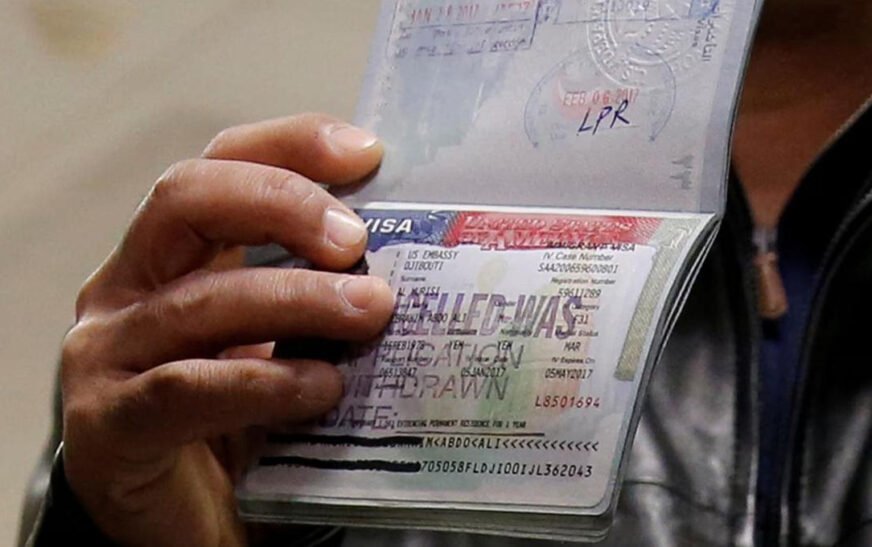
WASHINGTON D.C: The United States has greatly expanded its visa bond program by now requiring a bond ranging from $5,000 to $15,000 to be paid by citizens from 25 new countries while applying for B1 and B2 visitor visas.
Among the newly added ones are Algeria, Bangladesh, Cuba, Nepal, Nigeria, Venezuela, along with some other nations from Africa, Asia and Latin America.
The bond amount will be set at the time of the visa interview, and payment of the bond will not mean that the visa is granted. The deposited amount will be refunded if the visa is denied or the bond requirements are not fulfilled. This new rule will apply from January 21, 2026, thus the number of countries through which the policy is applied will reach 38 in total.
As per the U.S. State Department’s announcement, the bond program was initially introduced as an experimental project in August 2025 and its objective was to cut down on the number of people who stay on after their visas have expired and who are then considered illegal residents in the U.S. The program is part of a series of measures aimed at tightening visa enforcement and returning travellers to their home countries.
The nations that were added to the bond requirement list have shown concern about the new situation, while the U.S. government stands firm that it is a crucial step towards immigration law compliance and illegal overstays prevention.
US warns Indian students: Visa may be cancelled for violating laws
Meanwhile, Indian students who have been studying in the U.S. have received a very strong warning from the U.S. Embassy in India informing them that if U.S. laws are violated, very serious actions, including the cancellation of their student visas, might be the result.
The students were reminded, in a post made by the U.S. Embassy on X (previously known as Twitter), that the lawbreaking of any sort like getting arrested would end in their visas being cancelled and that the embassy would be “great consequences” so that students’ immigration status would be determined by their violation of U.S. laws.
The embassy’s message was, “Your student visa could be cancelled, and you might be deported.” “On top of that, you might not get a visa for future trips to the U.S.”
The warning coincides with the implementation of new U.S. immigration regulations aimed at making sure that people abide by the laws that apply in America. The embassy advised students to fulfil all the legal obligations so that they do not lose their chances of studying or traveling.
In addition, the embassy pointed out that being granted a U.S. visa is a favour and not an automatic right. “A U.S. visa is a privilege, not an entitlement,” the statement ended, advising that students stick to the rules in order not to risk their educational journey or future in the US.