
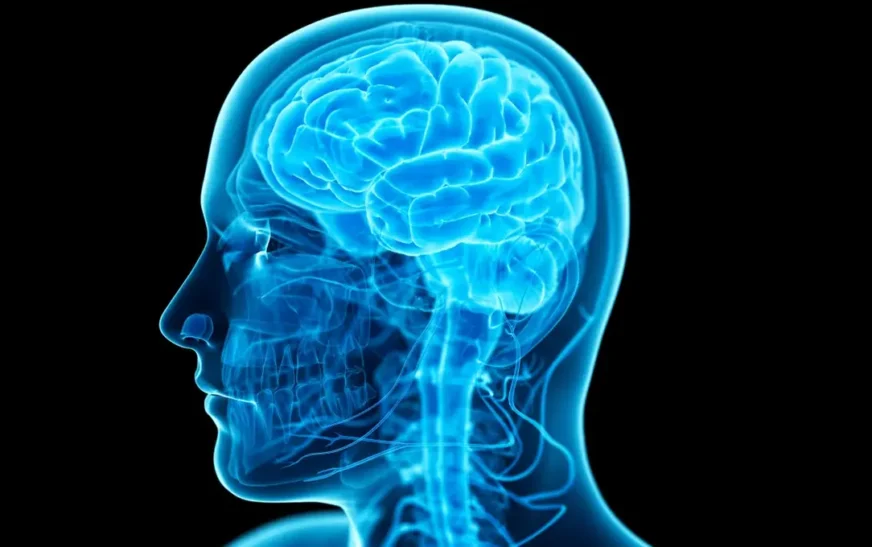
ZURICH: Scientists at the University of Zurich found a way to decrease human selfishness through their new technique which uses mild electrical brain stimulation to target specific brain regions.
The study required 44 volunteers to share a financial amount between themselves and an unnamed partner. The scientists used mild electrical stimulation to target both the frontal and parietal sections of the participants’ brains during the experiment. The participants selected to donate higher amounts to others after both brain regions received simultaneous brain stimulation.
The research published in the journal PLoS Biology reveals the brain mechanisms which control human social conduct while providing potential methods for treating specific brain disorders.
Professor Christian Ruff, who leads the research team, identified that some people experience difficulty with social situations because they fail to understand how others perceive the world. This technique could help with such situations.
Professor Ruff stated that people need to attend multiple treatment sessions to achieve permanent changes in their behavior. The doctor explained that “people need multiple weeks of brain stimulation which works like exercise to achieve their desired results.
Previous research observed that when people made generous choices their brains activated both decision-making and empathy centers at the same time. The research shows that human beings naturally display altruistic tendencies because these patterns exist in human brain structure as an evolutionary trait.