
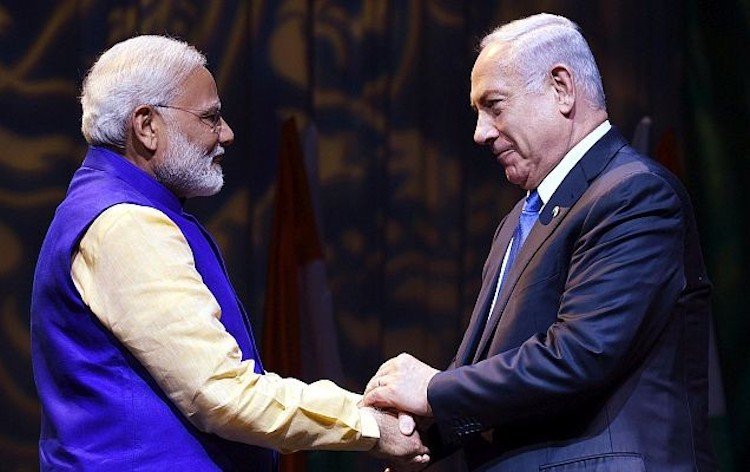
JERUSALEM: A wave of criticism has emerged across several countries following remarks and policy alignments attributed to Indian Prime Minister Narendra Modi and Israeli Prime Minister Benjamin Netanyahu, with opponents alleging that their growing partnership is being framed in a way that targets Islam.
The controversy intensified after Netanyahu, in a speech at the Knesset, spoke about forming a strong alliance with India against what he described as extremist threats. Critics argue that the language used in the address risked being interpreted as conflating extremism with Islam as a whole, prompting sharp reactions on social media and from political commentators in Muslim-majority countries.
Various advocacy groups and political leaders have voiced concern that rhetoric centred on civilizational or ideological confrontation could inflame religious tensions globally. They warned that framing international alliances in religious terms may deepen divisions rather than strengthen collective security.
The episode highlights the sensitivity surrounding political rhetoric tied to religion, especially at a time of heightened geopolitical tensions. Analysts say that how leaders frame security cooperation can significantly influence public perception and diplomatic relations across regions.