
PESHAWAR: Before the arrival of Ramzan, the price of meat in Peshawar has increased substantially, adding to the woes of the people, especially the lower and middle classes.
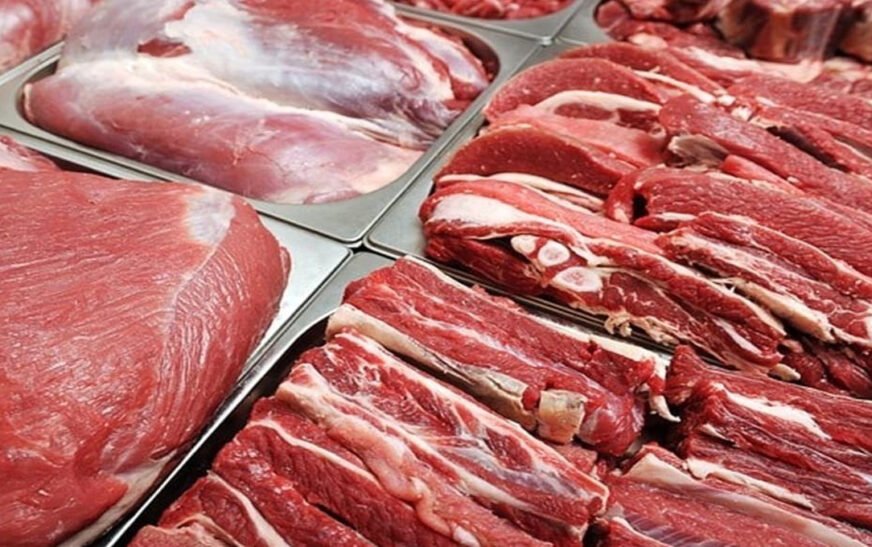
The price of large meat with bones is now PKR 1,500 per kilogram, while boneless meat is being sold for up to PKR 1,800 per kilogram. The price of minced meat (keema) has touched PKR 2,000 per kilogram, while small meat is being sold for as high as PKR 3,000 per kilogram.
The rise in the price of meat has substantially increased the daily expenditure and made it difficult for people to prepare sehri and iftar.
Sources report complaints about the sale of low-quality and allegedly expired meat in the city. There are also reports that such meat is being processed into kebabs and other food items for sale. Non-standard meat supply from Punjab has reportedly resumed.
Meanwhile, butchers have refused to follow the government’s official price list, and authorities have so far failed to take effective measures to control the prices. Meat sellers claim that a shortage of livestock and delivery disruptions from Punjab have caused the spike in prices.
Road closures raise fears of food shortage in Peshawar
Meanwhile, the continuous closure of major highways in Peshawar created a land transport barrier that connects the city to other urban areas. This situation created concerns among residents about essential food supply shortages, which will occur before Ramzan.
The closed motorway and GT Road brought a fifth day of shutdown which obstructed goods delivery to the city. The delivery system for vegetables, fruits and essential daily goods experienced delays which led to public worries about potential food shortages at local shops.
The city experienced transport and trade system breakdowns because the closures created partial access restrictions to other districts and provinces.
Land routes that connect to different areas of Pakistan have become blocked which creates travel difficulties for people who need to reach their destinations. The journey from Peshawar to Rawalpindi now requires approximately nine hours to complete while the trip to Lahore needs about 22 hours to finish.
The disruption has also affected passengers. Residents who needed to travel used Pakistan Railways because all roads remained closed. All three trains that operate between Peshawar and Rawalpindi reached full capacity, leading to additional problems for people who needed to travel.
The sources reported that Peshawar lost its ability to connect with other provincial regions, resulting in decreased business operations and market instability. Traders have urged authorities to restore traffic flow as soon as possible to prevent further economic losses and supply shortages.
ALSO READ: PHC issues order on loadshedding during holy month of Ramazan