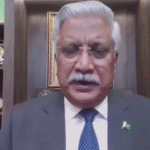

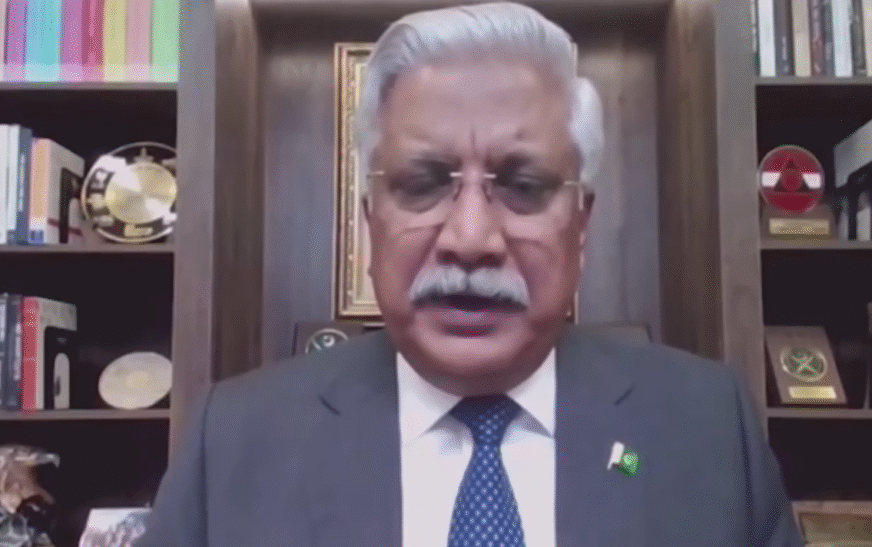
Retired Lieutenant General Saeed has termed recent remarks attributed to Tulsi Gabbard as part of a routine US assessment process, saying their timing should not be overinterpreted.
In a detailed note addressing public reactions, the former officer said that threat assessments or national intelligence estimates are typically presented annually to US Senate committees, often around March, suggesting the timing of the statement may be coincidental rather than strategic.
Responding to concerns over Pakistan being grouped with countries such as Russia, China, Iran and North Korea, he said such classifications were not new and had occurred multiple times over the past decade, often for strategic or human rights-related reasons.
He added that Pakistan has historically responded through diplomatic channels and is expected to do so again.
On comparisons with India’s missile capabilities, Saeed noted that India’s status as a strategic partner of the United States explains its absence from similar scrutiny.
He also said that elements within the US strategic community continue to hold Pakistan responsible for past policy failures in Afghanistan, while overlooking Islamabad’s independent geopolitical stance.
The retired general dismissed suggestions that the development could significantly alter pressure on Pakistan’s nuclear or missile programmes, saying the country has previously managed external pressure, including sanctions and economic leverage.
Commenting on Pakistan-US relations, he described them as largely transactional, while emphasizing that Pakistan’s long-standing strategic ties with China remain consistent.
However, he cautioned against inflammatory rhetoric, arguing that measured diplomacy serves Pakistan’s interests more effectively.
Addressing speculation that US pressure could be aimed at pushing Pakistan into a potential conflict involving Iran, Saeed said both Washington and regional allies understand Pakistan’s constraints and its relationship with Tehran.
He reiterated that Pakistan would not become part of any such conflict and would instead continue to support dialogue and diplomatic solutions.
His remarks come amid ongoing debate in policy circles over regional alignments and Pakistan’s foreign policy direction.
Read also: Iranian permanent representative appreciates support from Pakistan, China, Russia at UNSC