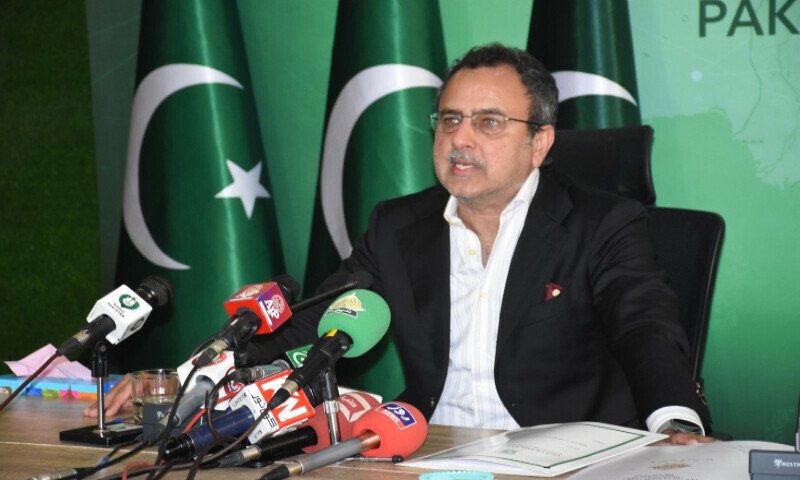


PESHAWAR: Khyber Pakhtunkhwa Chief Minister Muhammad Sohail Afridi has approved the presentation of the Vagrancy (Begging) Control and Rehabilitation Bill in the provincial cabinet, calling it a historic step toward the complete elimination of the begging mafia in the province.
Speaking on the occasion, the chief minister said the proposed law would prove to be a decisive blow against organised networks involved in begging and exploitation. He said the government is adopting a rights-based and reformative approach to address the issue, with a focus on rehabilitation rather than punishment alone.
Sohail Afridi said strict legal action would be taken against those who force children into begging, stressing that there would be no concessions for such elements. He added that it is the constitutional and moral responsibility of the government to remove children from begging and ensure their protection, rehabilitation, and aftercare.
According to the briefing, the new bill makes organised begging a punishable crime and clearly differentiates between individuals compelled to beg and organised mafias running begging as a business. Rehabilitation centres, skill development, and employment opportunities will be used to eradicate the menace.
Under the proposed law, a first-time beggar may receive a warning or be sent to a rehabilitation centre, or face up to one month imprisonment and a fine. For repeated begging, up to one year imprisonment and a fine of Rs 50,000 have been proposed. Begging through fraud, deception, or fake disability will be treated as a serious offence, with one to two years’ imprisonment.
For those involved in organised and forced begging, the bill proposes up to three years imprisonment and a fine of up to Rs 400,000, with the strictest punishments reserved for leaders and facilitators of begging mafias.
The chief minister said Khyber Pakhtunkhwa is set to become the first province to introduce a comprehensive and sustainable solution to the problem of begging. He also appealed to the public to give charity through authentic rehabilitation systems instead of organised begging networks, reiterating that a zero-tolerance policy would be enforced against those who turn begging into a profession or business.