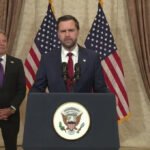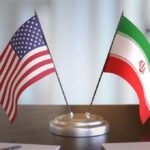

ISLAMABAD: After 47 years of stalled negotiations, high-level talks between the United States and Iran came close to reaching a historic agreement aimed at ending the ongoing conflict between the two nations. However, just as the two sides were about to sign the “Islamabad Memorandum of Understanding” (MoU), the deal collapsed, with Iranian officials accusing the U.S. of shifting its demands and taking a maximalist position and aggressive stance.
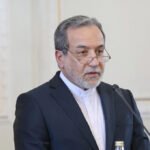
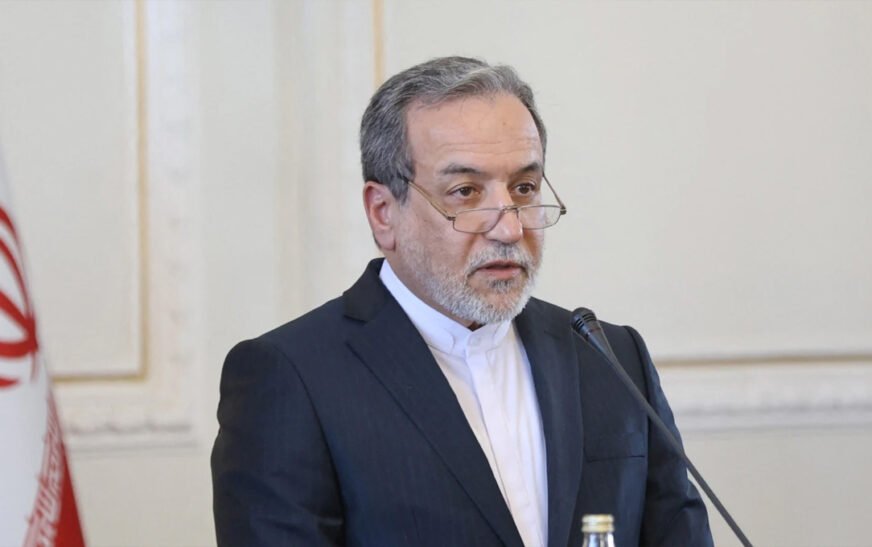
Iran’s Foreign Minister, Seyed Abbas Araghchi, voiced his frustration on social media, lamented the development, stating that the country had gone through the lengthy talks “in good faith” in order to settle the dispute. Although they were on the verge of making a breakthrough in the peace process, Araghchi pointed out that many issues had made it impossible for them to seal the deal.
“Encountered maximalism, shifting goalposts, and blockade. Zero lessons learned,” Araghchi tweeted.
The talks had reached an agreement on several vital matters, but were stalled due to fresh conditions laid down by the United States, which were not to the liking of Iran.
There were also more serious repercussions for the failure of the talks, as the Iranian Foreign Minister stressed during his tweet, saying that “Good will begets good will. Enmity begets enmity.”
In intensive talks at highest level in 47 years, Iran engaged with U.S in good faith to end war.
But when just inches away from “Islamabad MoU”, we encountered maximalism, shifting goalposts, and blockade.
Zero lessons earned
Good will begets good will.
Enmity begets enmity.— Seyed Abbas Araghchi (@araghchi) April 12, 2026
Iranian Ambassador: Islamabad talks are a continuous process, not just an event
Meanwhile, Iran’s Ambassador to Pakistan, Reza Amiri Moghadam, has emphasized that the Islamabad talks are not a single event, but rather a continuous process that has laid the foundation for diplomatic engagement between the two countries.
In a message shared on X (formerly Twitter), the Iranian ambassador said that if good intentions are combined with mutual trust, the process would result in a long-lasting structure from which both sides would benefit equally.
The Islamabad Talks is “not an event but a process.”
The Islamabad Talks laid the foundation for a diplomatic process that, if trust and will are strengthened, can create a sustainable framework for the interests of all parties.I would like to express my gratitude to the… pic.twitter.com/qzCb1xYzPh
— Reza Amiri Moghadam (@IranAmbPak) April 12, 2026
“First of all, let me thank my dear brother nation of Pakistan, especially Shehbaz Sharif, who is the Prime Minister of Pakistan, and Asim Munir for their valuable role in facilitating such fruitful talks,” Amiri Moghadam mentioned.
He also acknowledged the role played by the relevant Pakistani authorities, specifically their military personnel, police force, and other law enforcement bodies, for their rigorous endeavors in establishing an appropriate environment for the discussion.
“The two sides were provided equal chances to discuss about maintaining peace, order, and security in the whole procedure,” Amiri Moghadam noted.