
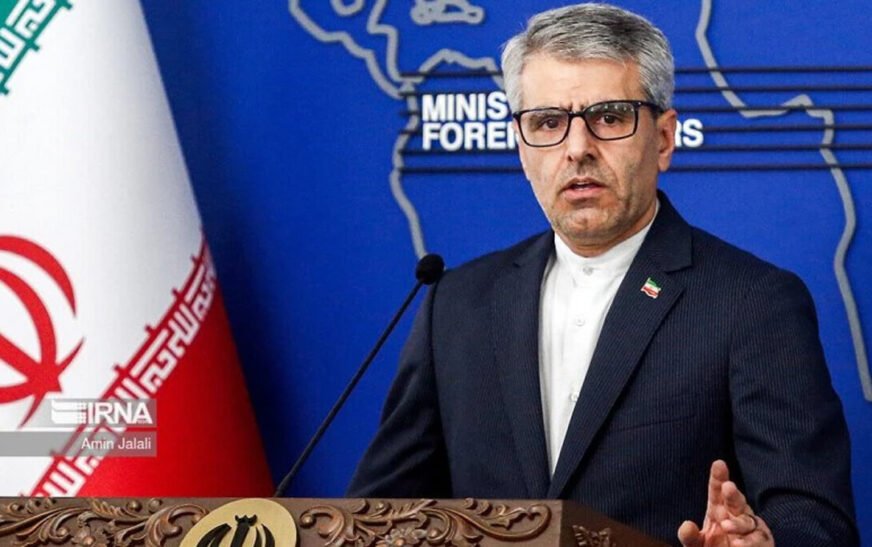
TEHRAN: Iran has officially confirmed receiving messages from the United States of America through Pakistan and other mediators, while at the same time clarifying that there has been no direct negotiation between the two sides.
Ismail Baqai, the spokesperson for the Iranian Ministry of Foreign Affairs, made it very clear that there has been no direct negotiation between the two sides. Instead, the messages from the United States have been passed on through different mediators, including Pakistan.
According to a news report filed by a British news agency, the Iranian authorities have confirmed that the mediators have made contact with the Iranian authorities on Tuesday regarding the continuation of diplomatic efforts. However, there has been no discussion regarding a temporary ceasefire.
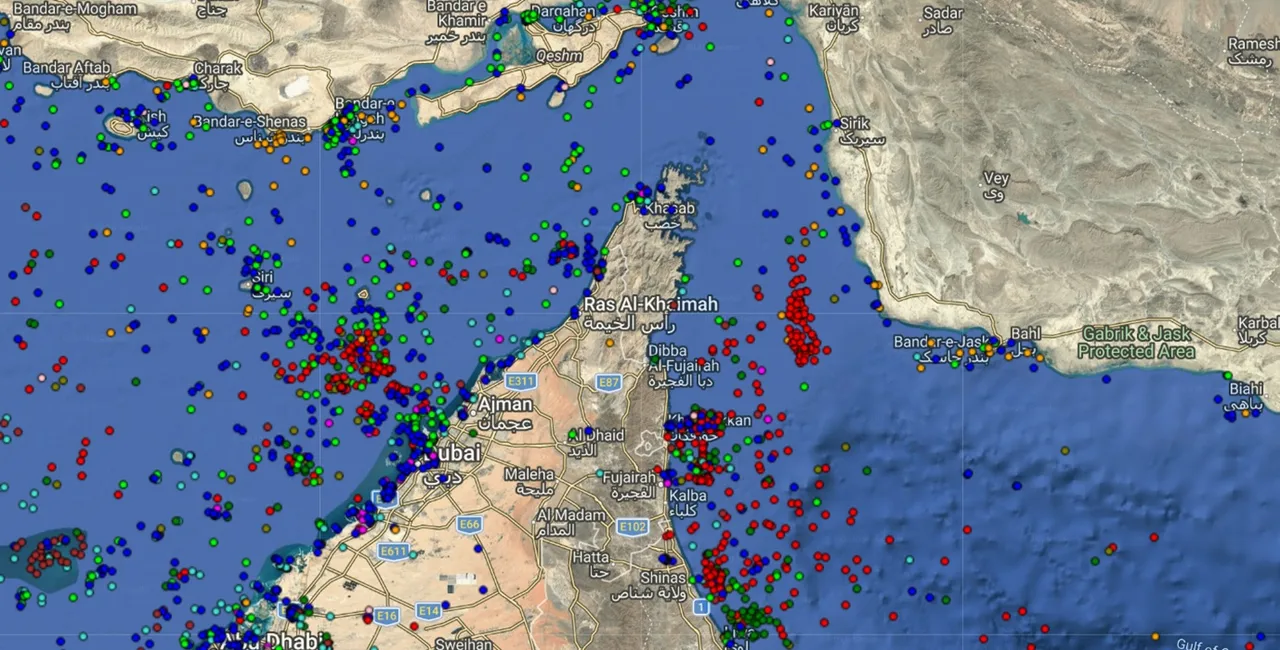
The British news agency reported earlier that US Vice President JD Vance has made contact with Pakistani mediators regarding the ongoing conflict between the two sides. According to sources within the agency, the US vice president has passed on a message from President Trump through different mediators, including the reopening of the Strait of Hormuz in return for a potential ceasefire.
The move comes at a time when the situation is worsening in the region, with no signs of de-escalation from either party. This has led the United States to state clearly that they are ready to hold talks once the demands are met.
According to reports from different media outlets in the United States, the Iranian authorities are not willing to hold talks regarding the resolution of the conflict at the moment. As the situation is highly volatile, the intervention of different mediators has proved crucial in the communication between the two sides.
As the situation is worsening, the global community is looking at the developments in the region, especially from the perspective of Pakistan and different mediators in order for the two sides to resolve the conflict.
Iran conflict costs Arab countries $186 billion in economic losses, UN report reveals
Meanwhile, the United Nations Assistant Secretary-General Abdullah Dardari presented a report which showed that Arab nations have suffered economic damage worth $186 billion during the ongoing conflict with Iran which has lasted for one month.
Dardari presented his findings about the conflict’s consequences through his recent briefing which proved that ongoing combat operations during the ceasefire period create negative effects that extend beyond local areas to affect worldwide economic systems. “Every day of delay in the ceasefire is further damaging the region’s economy and the global market,” he warned.
Dardari announced that ongoing conflict operations have reduced Arab nations’ Gross Domestic Product (GDP) by approximately 6%. Eastern Mediterranean countries currently experience substantial economic difficulties which will cause them to suffer an estimated $30 billion in financial losses.
The conflict leads to financial damage which will result in widespread job losses throughout the entire region. Dardari warned that nearly 3.7 million jobs could be lost in Arab countries, with 4 million more people likely to fall below the poverty line in the coming months.
The Assistant Secretary-General requested the international community to initiate immediate ceasefire negotiations because the ongoing conflict creates humanitarian disaster and economic damage which needs urgent action to achieve regional stability.
ALSO READ: JD Vance: US sends strong message to Iran through Pakistani mediators