
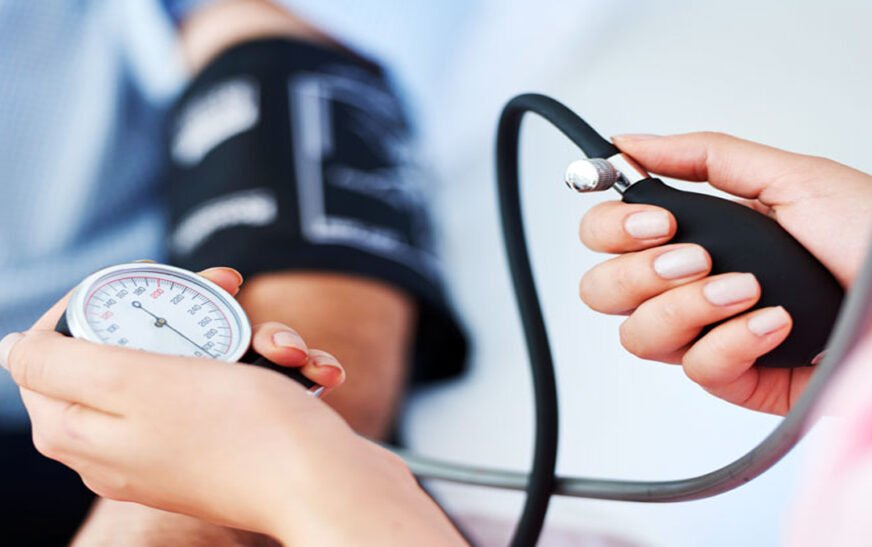
ISLAMABAD: High blood pressure, commonly linked to heart disease, is a silent condition that can gradually damage not only the heart but also the brain, medical experts warn.
Hypertension operates as a hidden medical condition because it presents no visible signs that enable people to recognize their condition until it starts to damage their essential body systems. Medical professionals use the term hypertension to describe a medical condition that results in persistently elevated blood pressure throughout the body. The human brain needs 20 percent of the body’s blood and oxygen supply despite its 2 percent body weight because even small interruptions to this supply create hazardous conditions.
Medical professionals warn that ongoing high blood pressure results in artery stiffness and narrowing, which heightens stroke risk among patients. Arterial blockages and ruptures create life-threatening situations which result in permanent disabilities. People who experience long-term high blood pressure face reduced mental capacity. Researchers found that people who develop high blood pressure during their middle age face an increased risk of developing memory loss and dementia later in life. Blood flow problems gradually lead to memory loss and impaired planning abilities and decision-making difficulties.
Some patients experience mini-strokes which cause temporary symptoms that last for several minutes, yet these episodes’ function as indicators of upcoming severe strokes. Continuous high blood pressure causes structural brain changes which result in hippocampus reduction and white matter damage that connects different brain regions.
The impact of hypertension is not limited to the brain. The condition also affects the kidneys and eyes. Damage to small kidney arteries leads to decreased filtering capacity which requires patients to undergo dialysis. Blood vessel damage in the retina results in vision impairment.
Experts indicate that people can manage this hidden threat through changes in their daily habits.
The diet requires people to decrease their salt consumption while increasing their intake of fruits and vegetables and whole grains.
The exercise routine requires people to complete at least 150 minutes of moderate-intensity activities, which include brisk walking and swimming, every week.
People should practice deep breathing exercises or yoga because both methods help them achieve stress reduction goals.
People need to keep their weight within healthy limits.
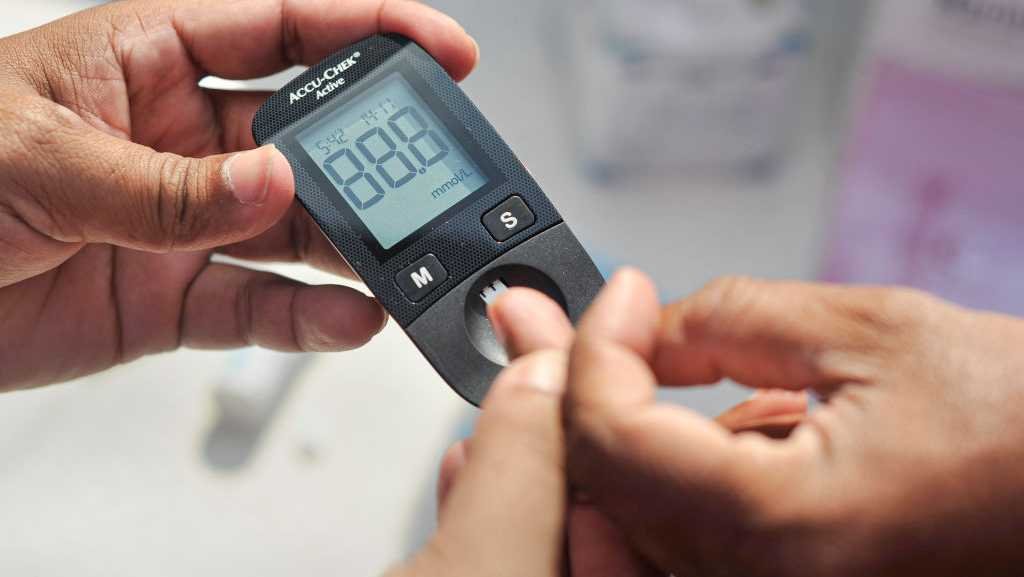
People need to check their blood pressure at home on a regular basis.
Doctors insist that patients must follow their medication schedule exactly because doctors need to see the complete blood pressure pattern. The control of blood pressure today enables people to avoid future strokes, memory loss and major medical conditions.
ALSO READ: Long hours of sitting may increase risk of major health problems