
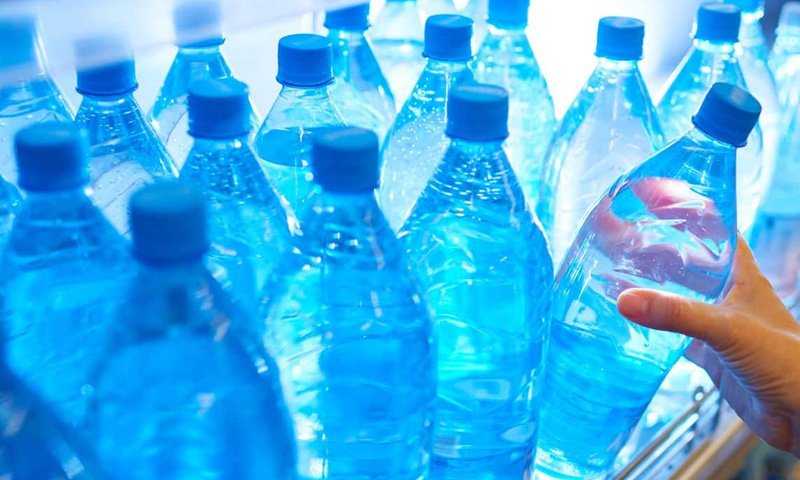
PESHAWAR: Recent research by Concordia University, coupled with an analysis of over 140 international studies, has revealed that individuals who regularly consume water from plastic bottles may ingest thousands of microplastic particles annually.
The study found that bottled water can contain anywhere from 2 to 6,626 microplastic particles per liter, with even higher amounts of Nano plastics.
Experts warn that a person who meets their daily water needs solely through single-use plastic bottles may absorb approximately 90,000 microplastic particles per year, compared to about 4,000 particles for individuals who drink only tap water.
The research identified the bottle neck and cap as primary sources of microplastic contamination, influenced by factors such as light, heat, and mechanical stress.
Global studies also indicate that the average person ingests between 39,000 and 52,000 microplastic particles annually through food and water, but this number can nearly double for regular bottled water consumers.
The size of these particles ranges from one nanometer to five millimeters, making them easily incorporated into drinking water.
Scientists cautioned that microplastics may negatively affect the immune, hormonal, and nervous systems and could potentially be linked to cancer and other serious illnesses.
They emphasized the urgent need for health impact assessments and standardized testing to ensure safe and clean drinking water for consumers.