
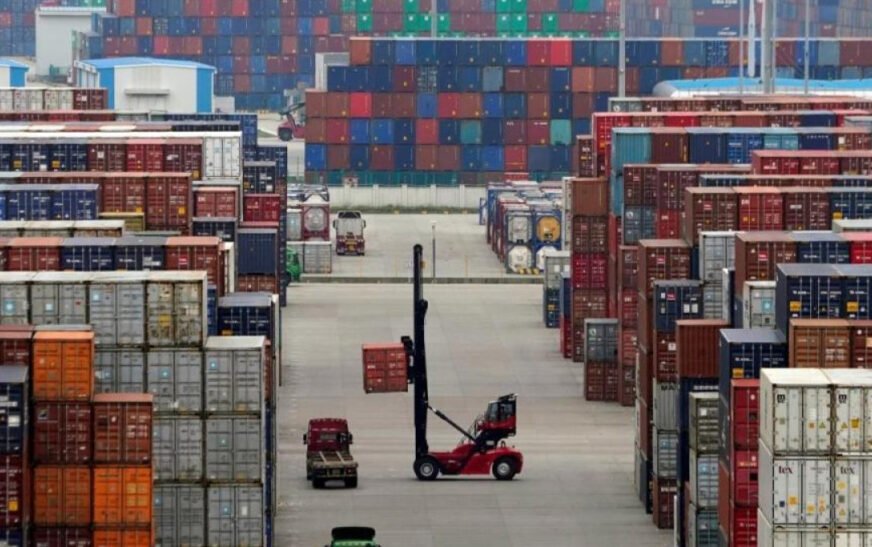
ISLAMABAD: The government of Pakistan has made a decisive move to the advantage of the country’s export industry by abolishing the Export Development Surcharge (EDS) on all exported items.
Following this, the Federal Board of Revenue (FBR) has conveyed the resolution to the State Bank of Pakistan that instructs the bank that the collectors (banks) should desist from going on with the surcharge collection from the exporters.
State Bank of Pakistan in its response to this incident has circulated the communication to all the commercial banks in Pakistan to take immediate action to stop the collection of the Export Development Surcharge on export transactions. Besides this, to inform the bankers and foreign exchange dealers about the latest developments, the SBP issued a circular through which the central bank sent a message to all the heads of banks and forex sellers.
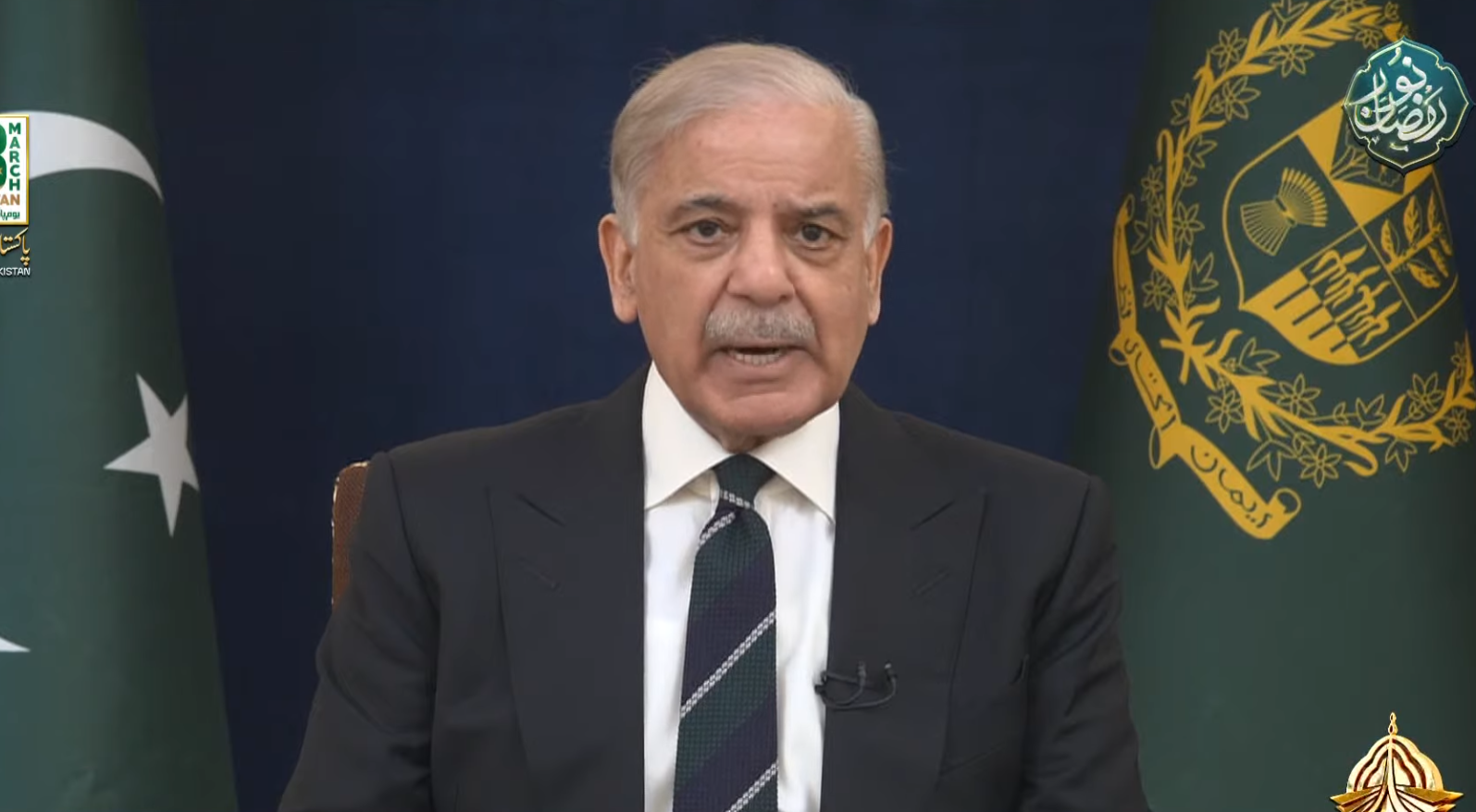
The resolution came right after the Prime Minister Shehbaz Sharif’s injunction to remove the Export Development Surcharge at the earliest. The Prime Minister had already suggested that the EDS be stopped as it would ease the exporters’ financial burden and thus Pakistani products would become more competitive at the international level.
PM Shehbaz Sharif was also concerned about the need for an impartial audit for the last 5 years of the Export Development Fund (EDF). He urged that the fund be put to better use with a concentration on raising the export volume and laying the groundwork for the export sector’s growth in the country. To accomplish the reform goal, the PM has recommended that a private-sector chairman be appointed to lead the EDF and not only manage the operations there but also keep an eye on the efficient use of the funds available.
While explaining the view, the Prime Minister further noted that the import of labour training, especially in the export sector, was a prerequisite for the modernization of the industry and, subsequently, the raising of the standards of the export products in compliance with the international trade demands. The objective of the policy was to improve the quality and competitiveness of Pakistani exports to be able to hold a better position in the global market.
This step is crucial to provide relief to Pakistani exporters as it will also slash the additional costs that come with export transactions. There is an expectation that the disappearance of the last will lead to a revival and growth of the export sector in Pakistan, a sector that has been struggling to survive in the face of severe financial stress.
As per scholars, this action can lead the overall exports of Pakistan to a higher trajectory, thereby resulting in the economy of the country being significantly stronger and consolidating its stance in global markets.