
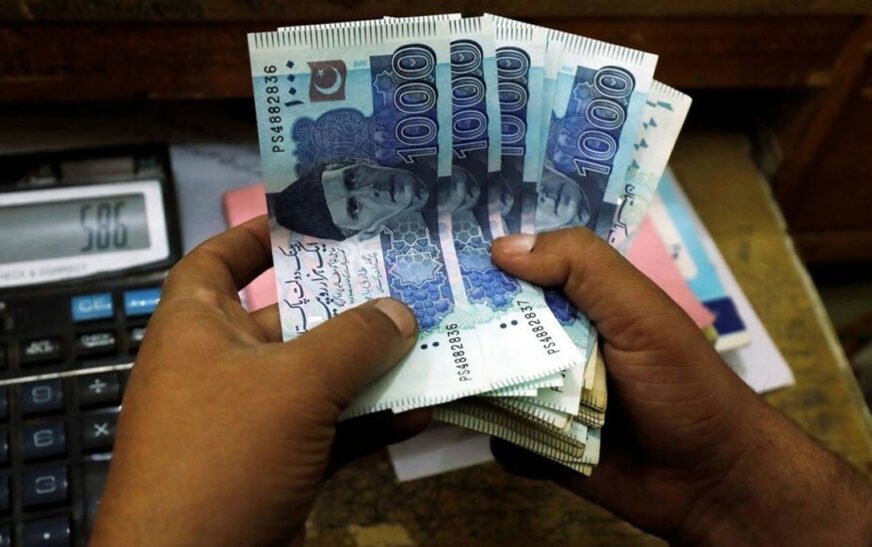
ISLAMABAD: Prime Minister Shehbaz Sharif has approved a proposal to end the super tax and reduce the income tax rate for salaried individuals by 5%. The final approval will be sought after consultations with the International Monetary Fund (IMF) next week.
A meeting chaired by the Prime Minister reviewed these proposals, which are set to be presented to the IMF. According to sources, the Prime Minister has directed tax officials to finalize these proposals after consulting with private sector experts.
The government is contemplating the idea of removing the super tax levied upon the rich class of the country, along with the corporate sector. Moreover, the government is considering the idea of reducing the income tax rate for the high-income salaried class of citizens by 5%. This would bring the maximum tax rate down to 30%. Along with this, the government is contemplating the idea of increasing the income threshold for this tax rate. Initially, the government had planned to achieve a reduction of tax to the tune of 1.5 to 1.8 trillion rupees.
However, it is believed that the government is unlikely to achieve major concessions from the IMF, considering the difficulties being faced by the Federal Board of Revenue.
In recent years, much of the increase in direct taxes has been due to higher tax rates on the salaried class, according to economic expert Sajid Amin. Meanwhile, powerful sectors like retail and real estate remain largely outside the tax net or contribute at much lower rates.
Sources also indicate that the government is considering proposals to reduce the 1% deemed income tax on the property sector and eliminate the 1% advance income tax on exports. These decisions, however, would also require IMF approval.
As per the interim figures released by the FBR, salaried individuals have collected 315 billion rupees in income tax from July to January, which is an increase of 10.5% compared to the 285 billion rupees collected during the same period last year. During this period, the amount collected from the salaried class was more than double the amount collected from the real estate sector.
On the other side, the IMF has expressed dissatisfaction with the performance of the FBR. Sources have revealed that the IMF wants to achieve a target of 16.2 trillion rupees, which is 11.7% of the country’s GDP, whereas the FBR has predicted the collection of 13.2 to 13.5 trillion rupees during the fiscal year.