

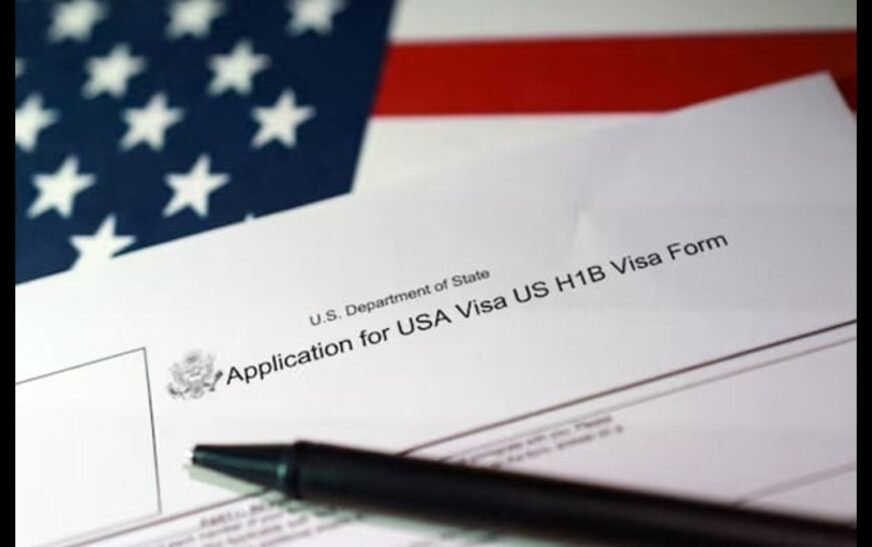
WASHINGTON: The United States government has declared that it will grant approximately 65000 H2B temporary guest worker visas to different industries until September 30 to assist with workforce shortages.
According to foreign news agencies, these visas will be allocated to American companies facing significant financial losses due to a shortage of domestic workers.
The seasonal H-2B guest worker visa program will see its total visa capacity increase because the new regulation will add more than 1000 seasonal visas to the existing annual limit. The extra visas will help industries that include construction and hospitality and landscaping and seafood processing, which currently face their most critical manpower deficits.
Seasonal businesses, especially in the hotel industry, have long demanded more visas, while some construction companies have also cited strict immigration policies as a barrier to hiring sufficient labor.
This decision comes despite President Donald Trump’s strict immigration measures since taking office in 2025, as business pressures prompted the government to provide additional visas for certain sectors.
New US visa rule: Citizens of 25 countries must pay bond up to $15,000
The United States has greatly expanded its visa bond program by now requiring a bond ranging from $5,000 to $15,000 to be paid by citizens from 25 new countries while applying for B1 and B2 visitor visas.
Among the newly added ones are Algeria, Bangladesh, Cuba, Nepal, Nigeria, Venezuela, along with some other nations from Africa, Asia and Latin America.
The bond amount will be set at the time of the visa interview, and payment of the bond will not mean that the visa is granted. The deposited amount will be refunded if the visa is denied or the bond requirements are not fulfilled. This new rule will apply from January 21, 2026, thus the number of countries through which the policy is applied will reach 38 in total.
As per the U.S. State Department’s announcement, the bond program was initially introduced as an experimental project in August 2025 and its objective was to cut down on the number of people who stay on after their visas have expired and who are then considered illegal residents in the U.S. The program is part of a series of measures aimed at tightening visa enforcement and returning travellers to their home countries.
The nations that were added to the bond requirement list have shown concern about the new situation, while the U.S. government stands firm that it is a crucial step towards immigration law compliance and illegal overstays prevention.