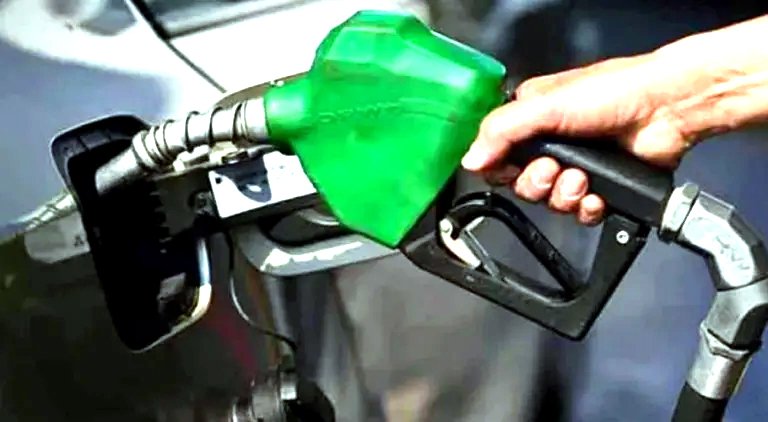

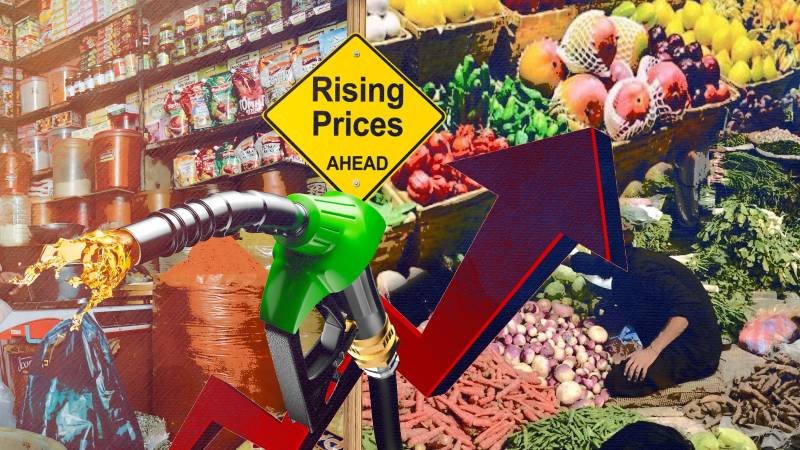
Prices of everyday goods have surged nationwide following last week’s sharp rise in petroleum prices, severely straining the fragile finances of the lower and middle classes.
According to economists, the war in Iran has significantly impacted the global economy and the lives of almost everyone, as prices of everyday goods have risen sharply following a major increase in petrol prices.
Economists say the prices of daily commodities increased by four digits during the holy month of Ramazan following the government’s announcement of petrol prices at Rs 55 per litre, diesel and petrol.
Local business leaders and residents report that the fuel hike has immediately trickled down into the cost of essential goods and transportation. Haji Waheed, president of the KP Grain Dealers Association, noted that the price of a 20kg flour bag has jumped by Rs50 to Rs100 across Khyber Pakhtunkhwa.
He explained that a bag previously priced at Rs2,550 now retails between Rs2,650 and Rs2,700, driven by the increased costs of milling and logistics.
Furthermore, Waheed highlighted that KP’s flour market was already under pressure due to a ban on shipments from Punjab.
This supply restriction has created a stark regional price gap: while a 20kg bag costs approximately Rs1,800 in Punjab, the same bag exceeds Rs2,500 in KP because of the transport barriers and added fuel expenses.