

PESHAWAR: As operations intensify in the strategic Tirah Valley, a wave of conflicting narratives have emerged. While some political circles have characterised the movement of residents as a “forced evacuation,” a detailed look at the facts reveals a process rooted in local jirga decisions, precision security strategies, and a significant failure in provincial administrative management.
The Hub of the Terror-Crime Nexus
Due to its sensitive geographical location, Tirah had evolved into a major hub for terrorism. A vast terror-crime nexus emerged here, fueled by links to the Afghan Taliban and illicit drug networks. This nexus eventually gained political patronage, creating one of the most complex security challenges in the region.
To dismantle this network, security forces have relied on Intelligence-Based Operations (IBOs). However, because terrorists often hide within populated areas, avoiding collateral damage and protecting innocent lives became the military’s primary concern.
The Fact: Relocation was a Local Choice
Contrary to propaganda, the Pakistan Army never demanded mass displacement. The decision for temporary relocation was an option chosen and proposed by the local tribal elders themselves to ensure the safety of their families.
-
Three-Month Negotiation: Local elders were given three months to find a solution. They initially tried to persuade the “Kharijites” (terrorists) to leave the area voluntarily, but this request was flatly rejected.
-
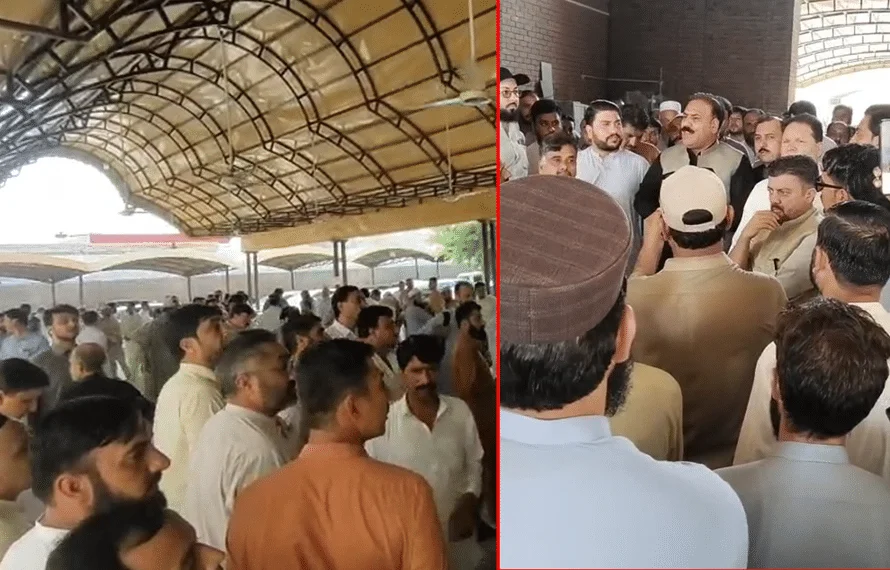
The Jirga Proposal: The elders then approached the local government, offering to temporarily relocate their families so that security forces could completely evict the terrorists without risking civilian lives.
-
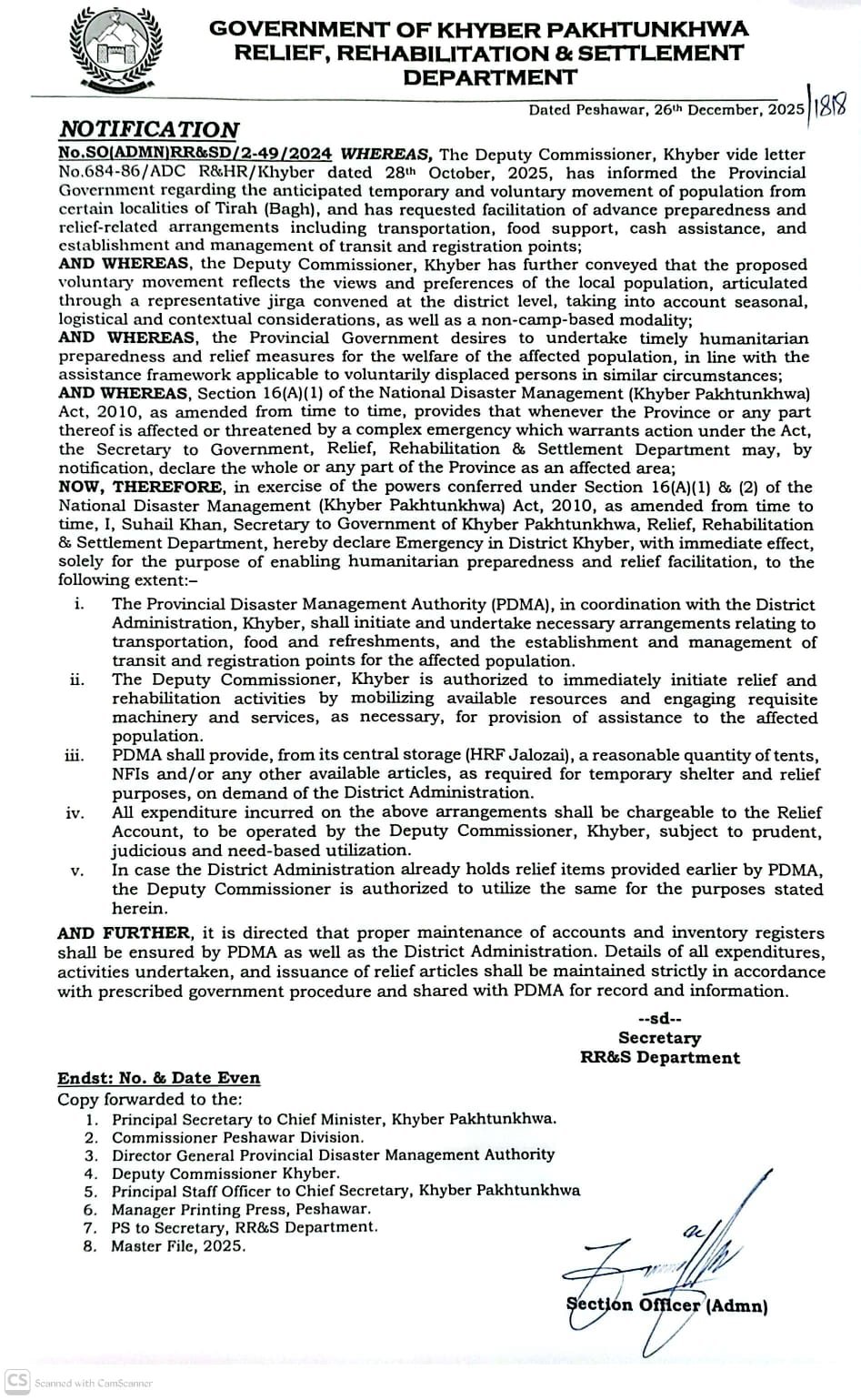
The December 26 Decision: On December 26, 2025, a provincial-level jirga presented these demands to the government, formalising the relocation plan.
-
Timeline Flexibility: No timeline for displacement was set by the security forces. Instead, the local elders decided the schedule based on their own interests, such as the completion of the harvest.
The Operational Reality: Precision over Scale
The narrative of a “large-scale military offensive” is factually incorrect. The military remains committed to the IBO’s strategy, which has proven highly effective:
-
2025 Statistics: In 2025 alone, 75,175 IBOs were conducted across the region, resulting in the elimination of 2,597 terrorists.
-
No Heavy Deployment: Standard military practice involves massive troop surges before large-scale operations. No such surge has occurred in Tirah, confirming that the army is sticking to precision strikes to avoid humanitarian crises.
-
Bagh Joint Action Plan (BJAP): The current strategy follows the BJAP, which combines kinetic action with socio-economic development to ensure sustainable peace and law enforcement once residents return.
The Propaganda: Exposing the Malicious Narrative
Despite these facts, a systematic campaign has been launched by the PTI government to defame the state and the Pakistan Army.
-
Financial Mismanagement: The provincial government approved Rs. 4 billion for the relocation process. However, the government failed to utilise these funds effectively. The resulting mismanagement and hardship faced by the poor people of Tirah were then deliberately blamed on federal and military institutions.
-
Creating Distrust: By misrepresenting a voluntary, elder-approved relocation as a “forced” military action, these political elements have attempted to create a rift between the public and the state.
-
A “Fake” Human Tragedy: National security has been transformed into a manufactured human tragedy to cover up poor provincial governance and protect the financial interests of the political-crime-terror nexus.
Current Status of Displacement
Currently, 19,000 families from the Bagh Maidan area are scheduled for relocation. To date, 65% have successfully moved, while 35% remain in Tirah, navigating the process according to the local consensus.