
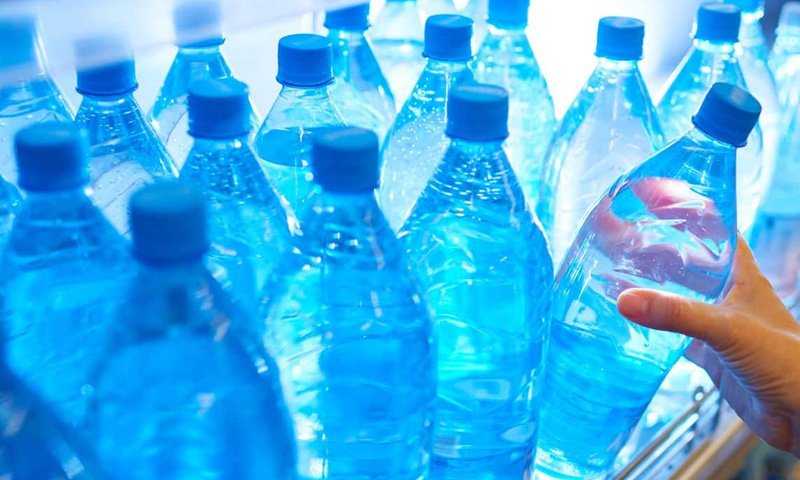
Regarding dehydration or lack of water in the body, experts say that whether you are a fan of drinking plain tap water or sparkling water, it does not matter, it is more likely that you are not as hydrated as you think.
Dehydration occurs when you drink less water or liquid than your body loses through sweat, urine and other basic bodily processes such as breathing. Since the human body is made up of about 70 percent water, dehydration can have serious effects and can even be fatal if left untreated for a long time.
The worrying thing in the UK is that a large portion of the population can be considered dehydrated. Some online sources even say that more than half of people in the UK drink less water than they need every day.
The UK’s National Health Service (NHS) recommends that adults aim to drink around two to two and a half litres of water a day. This includes the water in squash, fruit juices, milk, tea and coffee.
According to British nutritionist Jenna Hope, some fruits and vegetables can also contribute to our daily water intake. She says that cucumbers are the vegetable with the highest water content, but tomatoes and celery also have a high water content.
In addition, fruits such as melons, watermelons and pineapples are also quite high in water, but they are also very sweet, so they should be eaten in moderation.
Despite the many ways to maintain adequate water intake, millions of people fail to meet their daily water requirements, putting them at risk of illness and conditions ranging from constipation to coma.
Another concern about dehydration is that it is linked to how the body responds to stress. A study examining the relationship between water intake and stress hormones found that dehydration increases the risk of heart disease, kidney problems, mood disorders, and diabetes.