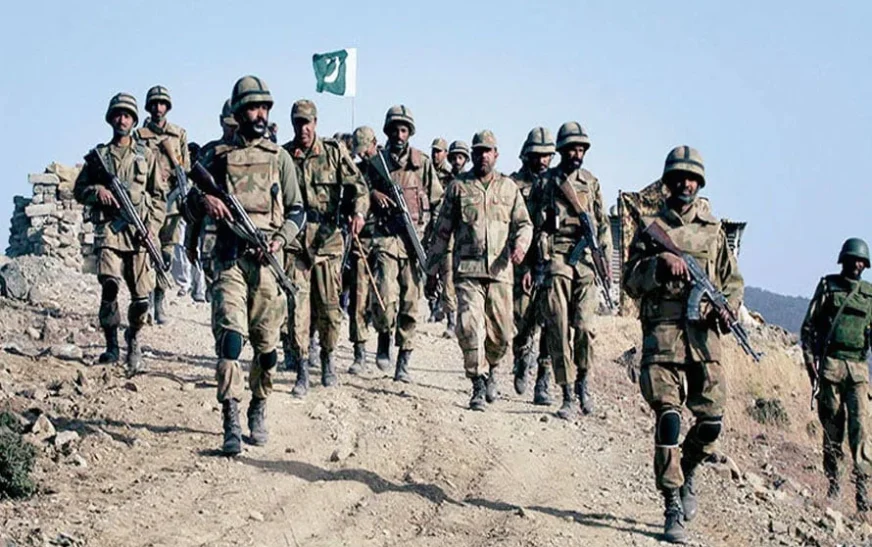

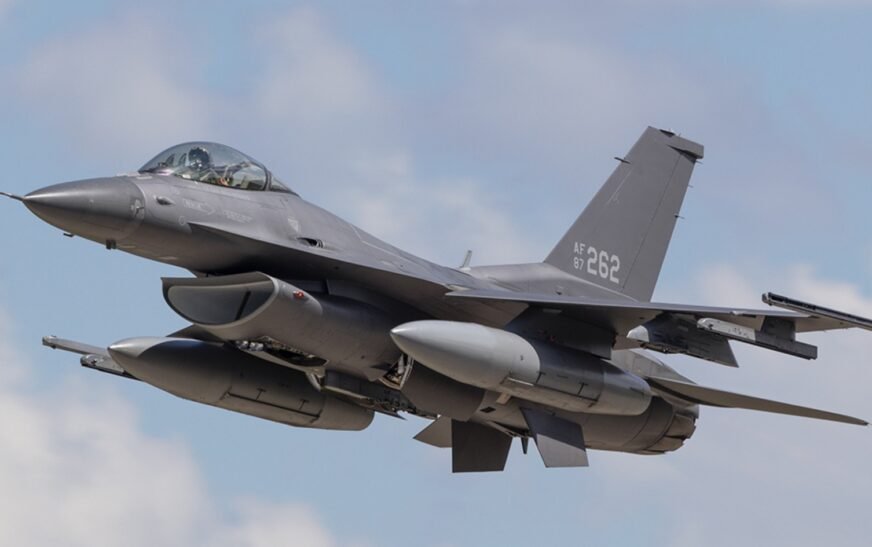
The United States Congress reports have acknowledged that Pakistan defeated India in the four-day war, in which India lost five Indian aircraft, including a French-made Rafale fighter aircraft.
The report stated that late on May 6 and into May 7, India’s military launched “Operation Sindoor” with drone and missile strikes on Pakistan, which Pakistan condemned as “an unprovoked and blatant act of war”; its prime minister promised “a strong and uncompromising response.” India’s defence ministry called them “focused, measured and non-escalatory in nature,” claiming no Pakistani military facilities were targeted and no civilians harmed.
Pakistan said at least 31 people were killed, including women and children, while India said at least 15 Indian civilians were killed by Pakistani shelling on its side of the LOC. Pakistan asserted that its forces had downed five Indian aircraft, which India denied.
Over the next three days, cross-border drone, missile, and artillery exchanges continued; India targeted Pakistan’s air defence system and purported military targets in 11 Pakistani cities. Pakistan’s six largest cities are within 110 miles of the border. Pakistan rejected claims that India had hit any “terrorist infrastructure” and accused India of deliberately targeting civilian areas and a hydropower project in Kashmir. India blamed Pakistan for killing civilians with “unprovoked” shelling, which impacted 15 Indian cities and towns near the shared border.
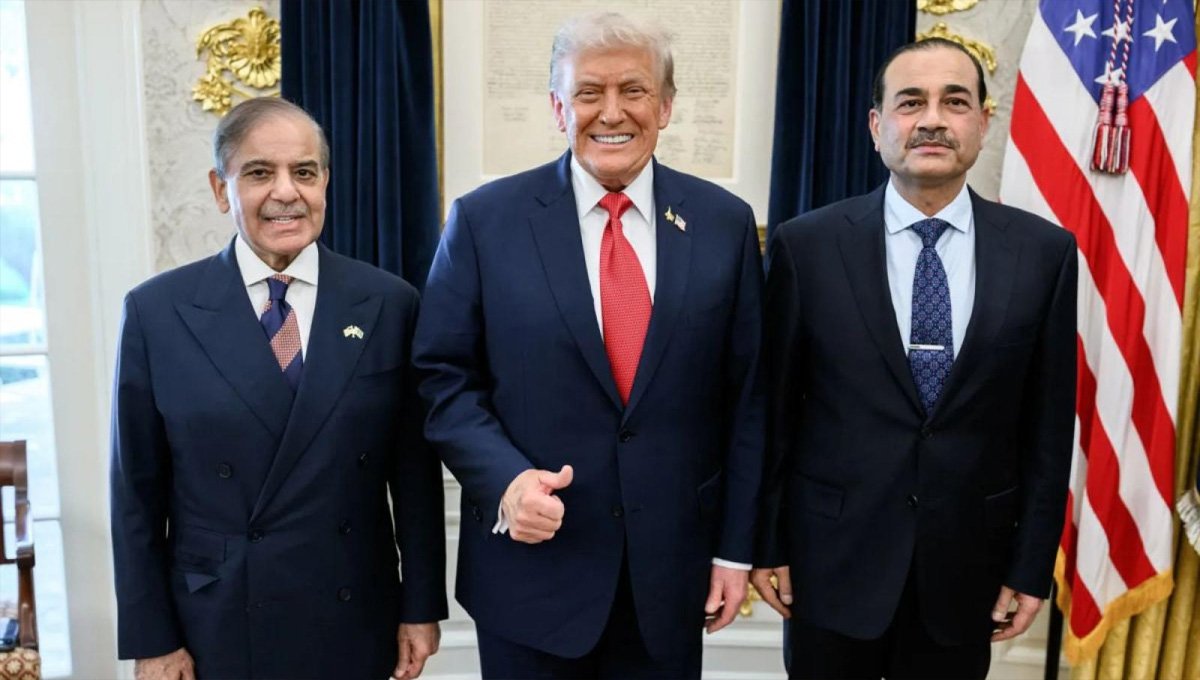
Early on the morning of May 10 (evening in South Asia), President Trump announced on social media that, after a night of talks “mediated” by the United States, the two countries had agreed to an immediate ceasefire. Pakistan and India government officials quickly confirmed this, although neither mentioned third-party involvement. Secretary Rubio announced a “U.S.-brokered” deal, and Pakistan’s prime minister followed by thanking the United States “for facilitating this outcome.”
India, in contrast, did not acknowledge Washington’s involvement, with Indian government sources reportedly saying the ceasefire was worked out “directly between the two countries.” India’s ruling party dismissed reports of U.S. pressure and insisted the agreement came on Delhi’s own terms.
President Trump vowed to work with both countries “to see if, after a ‘thousand years,’ a solution can be arrived at concerning Kashmir.” Some analysts opined that Secretary Rubio’s late May 09 call to Pakistan’s army chief—widely considered to be the de-facto most powerful figure in that country was a pivotal moment in U.S. diplomatic efforts.
Read also: Pakistan army victory in Mark-e-Haq boosts public confidence: Field Marshal