

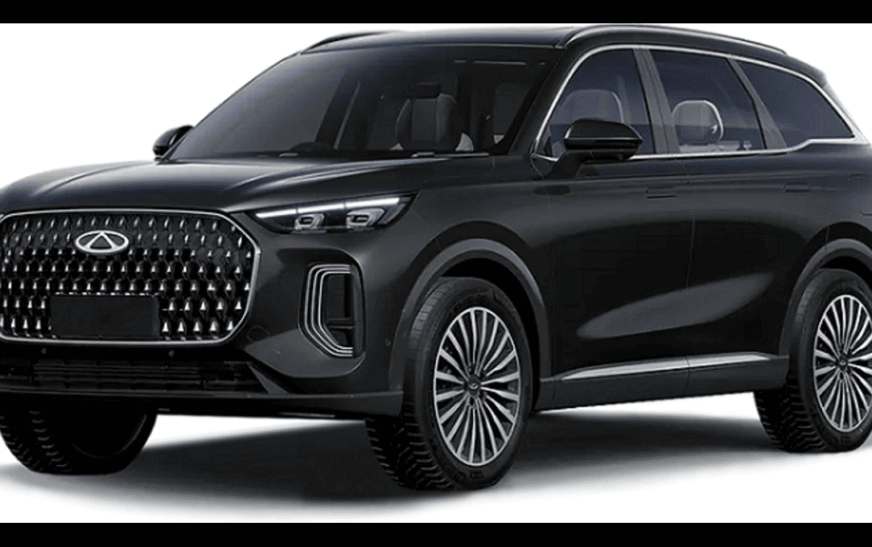
ISLAMABAD: The Chery Tiggo 9 made its initial appearance in Pakistan on February 13 2026 as a premium seven-seat plug-in hybrid SUV which sold for Rs13 694 000. The vehicle functions as the company’s main PHEV model because it combines contemporary design elements with state-of-the-art safety technologies and an electric vehicle interior designed for SUV customers.
The Tiggo 9 presents itself as a powerful vehicle which delivers an extensive array of features. The initial reviews together with user feedback reveal practical issues which potential customers must evaluate before they decide to buy the product.
The primary problem which needs to be addressed involves how people use third-row seating. The third row space in seven-seat mode has been described as cramped and unsuitable for adult users. The space becomes uncomfortable for children who need to travel on extended trips. Families face danger because limited child seat anchor points restrict their ability to create safe environments for their children.
When all seven seats get used the vehicle experiences major limitations to its storage capacity. Families who need to travel long distances with both people and their belongings will discover that their available storage space does not meet their requirements.
The public response to the driving experience has produced varied opinions. The steering system fails to deliver the expected precision which should exist in this pricing category according to some reviewers who found that body roll became apparent during tight turns. The braking system shows inconsistent performance which creates problems for drivers who need to stop while driving through urban areas or on main roads.
The central touchscreen serves as the main control device for most cabin operations. The current system design provides contemporary features but it creates driver distraction problems. Users experience system delays in the infotainment system which lacks physical buttons for essential control functions which decreases operational efficiency. Taller drivers encounter steering wheel accessibility problems because the design restricts their movement space.