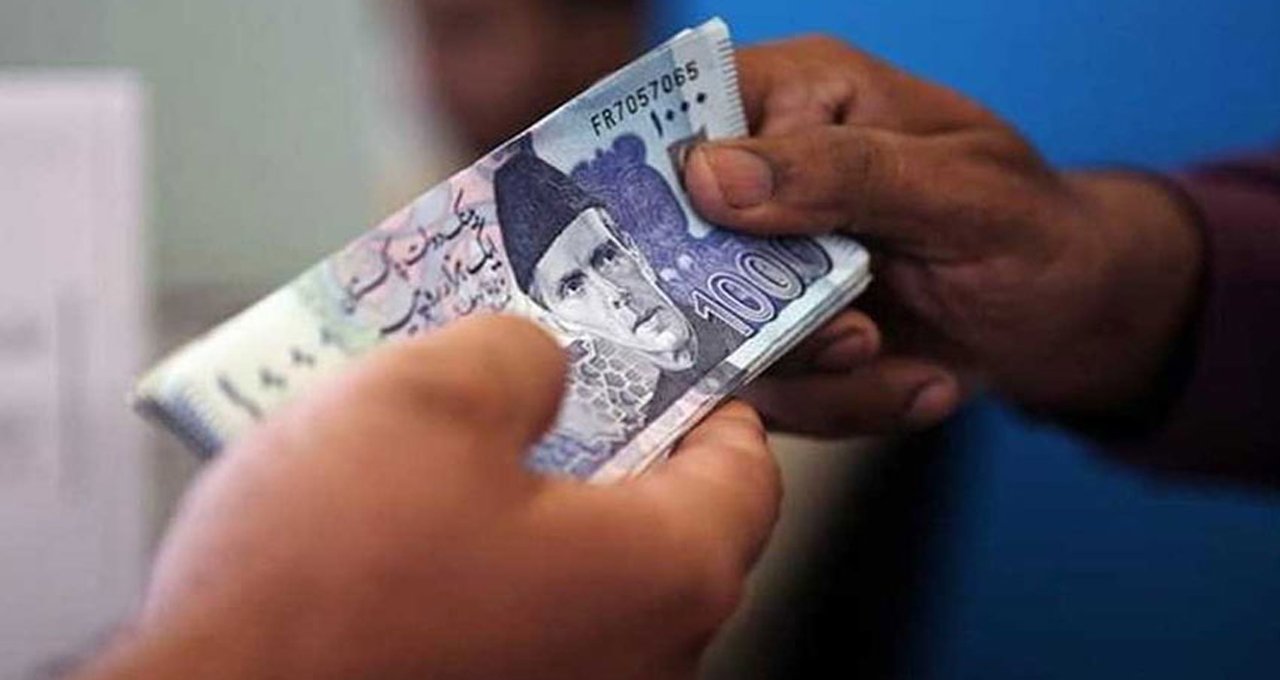


PESHAWAR: In a major step towards transparency and ease of payments in public service delivery, the Khyber Pakhtunkhwa government has shifted financial payments for 43 public services to a digital payment system under its cashless policy.
These services include land mutation and motor vehicle registration, motor vehicle token tax, university admission fees, and fees of various educational boards. Progress on cashless service delivery initiatives was reviewed in a meeting chaired by Chief Secretary Khyber Pakhtunkhwa Shahab Ali Shah on Thursday.
The meeting was informed that digital payment systems have been introduced across various government departments. The Khyber Pakhtunkhwa Information Technology Board is gradually converting 170 services to a cashless mode. So far, 43 services have been made cashless, while another 23 services are scheduled to be shifted to the digital payment system by the end of January.
It was further shared that since October 2025, salaries of 280,650 government employees and pensions of 130,132 pensioners have been disbursed through digital systems. Efforts are also underway to make autonomous bodies and authorities of the Khyber Pakhtunkhwa government cashless, a process expected to be completed by December 2026.
Speaking on the occasion, Chief Secretary Shahab Ali Shah said that cashless service delivery would promote good governance, economic growth, and financial transparency. He directed the concerned authorities to ensure timely progress in accordance with the set timelines.
The meeting was attended by relevant administrative secretaries and officials of the Information Technology Board.
KP to launch STEAM learning, empowering the next generation
Meanwhile, the Khyber Pakhtunkhwa government has decided to introduce a Science, Technology, Engineering, Arts and Mathematics (STEAM) learning model in degree colleges across the province to better align higher education with modern and market-oriented needs.
The decision was taken at a high-level meeting chaired by Provincial Minister for Higher Education and Local Government Mina Khan Afridi. Secretary of Higher Education Dr Israr and other relevant officials attended the meeting.
Officials briefed the minister on the progress made so far towards the launch of the STEAM learning model. It was informed that in the first phase, 2,250 faculty members of degree colleges would be trained in STEAM-based teaching methodologies, with women making up 50 per cent of the trainees. Around 30,000 students are expected to benefit directly from the initiative in its initial phase.
The meeting was told that the introduction of STEAM learning would lead to a 50% increase in the use of digital tools in teaching and learning. Products and projects developed under the STEAM framework would be showcased at provincial, national and international levels. An amount of Rs341 million has been earmarked for the first phase of the programme.
Speaking on the occasion, Mr Afridi stressed that faculty training must translate into tangible benefits for students. “It should not happen that teachers receive training while students gain nothing,” he said, adding that the STEAM model would help prepare students for contemporary and market-driven demands.
The minister further said that participation in and contribution to the STEAM learning model would also be considered in the future promotion criteria for faculty members, underlining the government’s commitment to improving the quality and relevance of higher education in the province.