
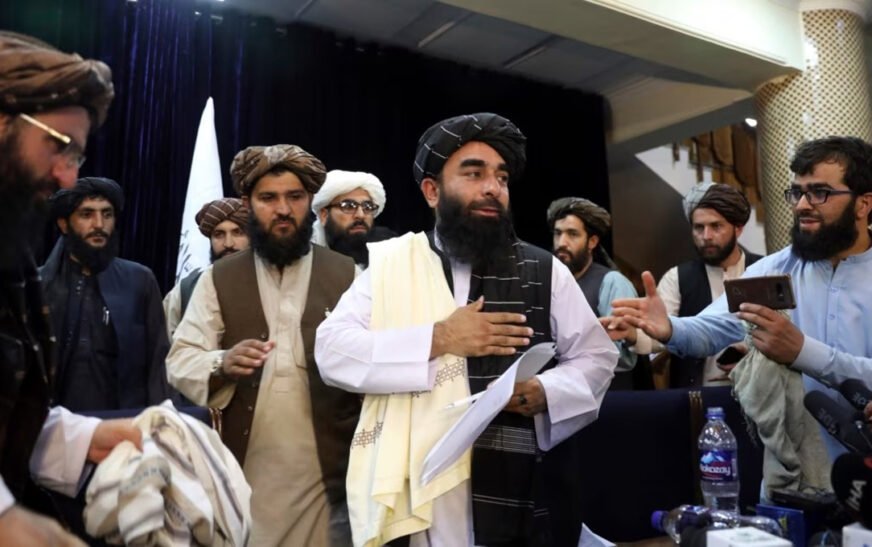
KABUL: More than 1,000 Afghan religious scholars from each of Afghanistan’s 34 provinces met in Kabul for an Ulama Jirga. The conference organized under the Taliban’s regime came up with a resolution that emphasized dealing with security challenges.
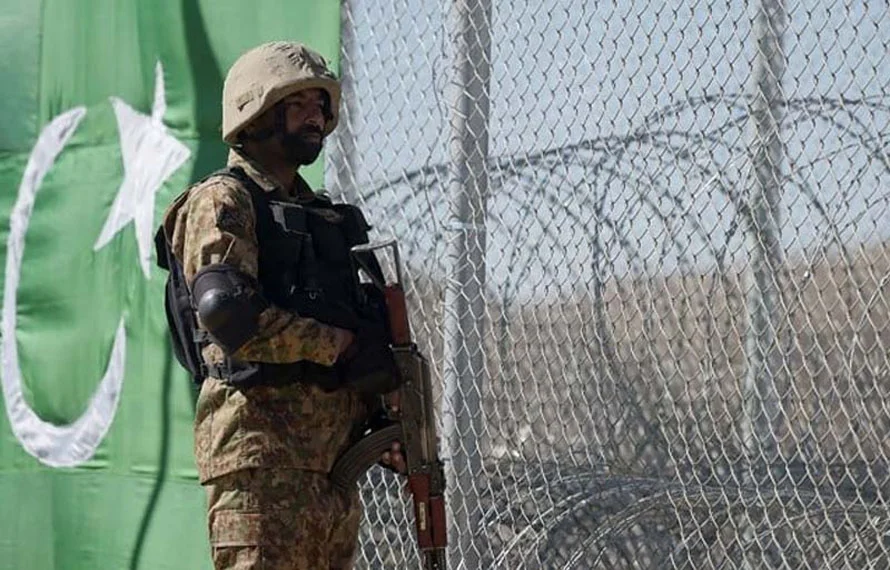
According to security sources, the resolution clearly states that Afghan territory shall not be utilized for terrorism or hostile actions against any nation. In a provision, the resolution also bans Afghan nationals from going overseas to engage in jihad. This measure seems to address the persistent worries of Afghanistan’s bordering states, especially Pakistan.
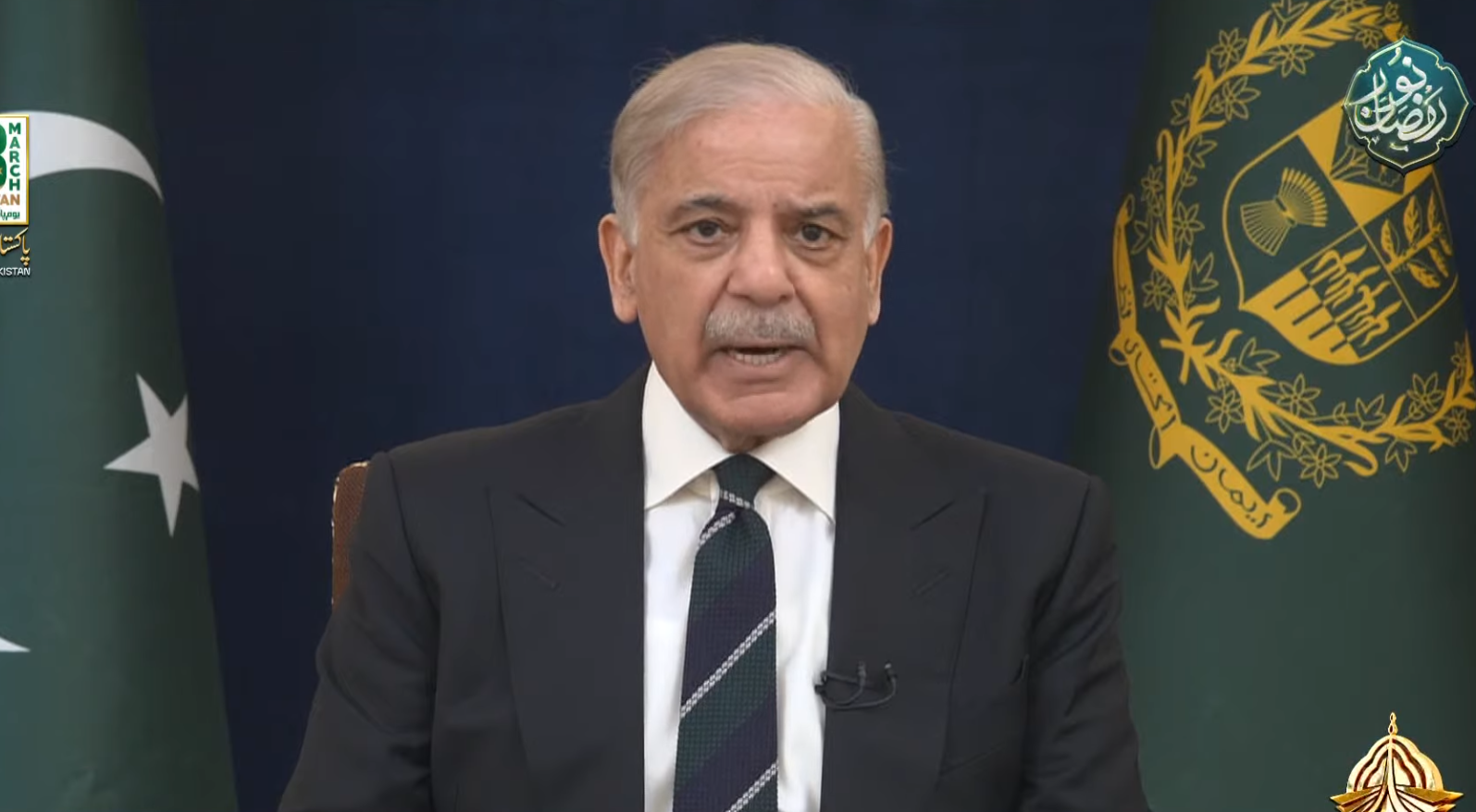
Pakistan has greeted the Taliban’s resolution with hope. Islamabad, which has consistently expressed worries about border terrorism originating from Afghanistan views the commitment as a favourable move. The assurance to stop territory from being utilized against Pakistan corresponds with one of Islamabad’s primary requests in its diplomatic talks with the Taliban leadership.
Nevertheless, security experts stay wary. The true assessment of the resolution’s impact depends on how it’s implemented. Comparable assurances have been given before. The main issue, according to experts is whether the Taliban can actually uphold this pledge in reality.
The release of this resolution is regarded as a success for Pakistan, which has persistently upheld a firm position on the matter of cross-border terrorism. Islamabad has, for a time supported an Afghan strategy that emphasizes regional peace and stability and this resolution seems to embody that viewpoint.
“This religious decree might act as a way for the Taliban government to maintain its dignity,” remarked a security official. It gives them a justification to abandon previous policies and potentially foster lasting stability in the region.
If the Taliban administration enforces the resolution, security analysts expect it could lead to a period of stability in the Afghanistan-Pakistan border region.
For Pakistan, the resolution might create an opportunity for a secure and steady situation along the border, facilitating increased trade and economic cooperation between the two nations. Experts highlight that this change in approach could also bolster Pakistan’s position in the regional framework, especially concerning India, China and Central Asia.
Although the resolution carries a tone, security specialists stress that its effectiveness will rely on the Taliban’s ability to implement it thoroughly. It is essential to have verifiable systems established to guarantee that no terrorist operations are occurring across the border.
“The proof lies in the outcome” stated a regional security specialist. “The Taliban must show its dedication to this resolution with steps, not mere promises. At that point, can we begin to trust that this will result in enduring peace and stability.”
ALSO READ: Iran offers to mediate between Pakistan and Afghan Taliban