

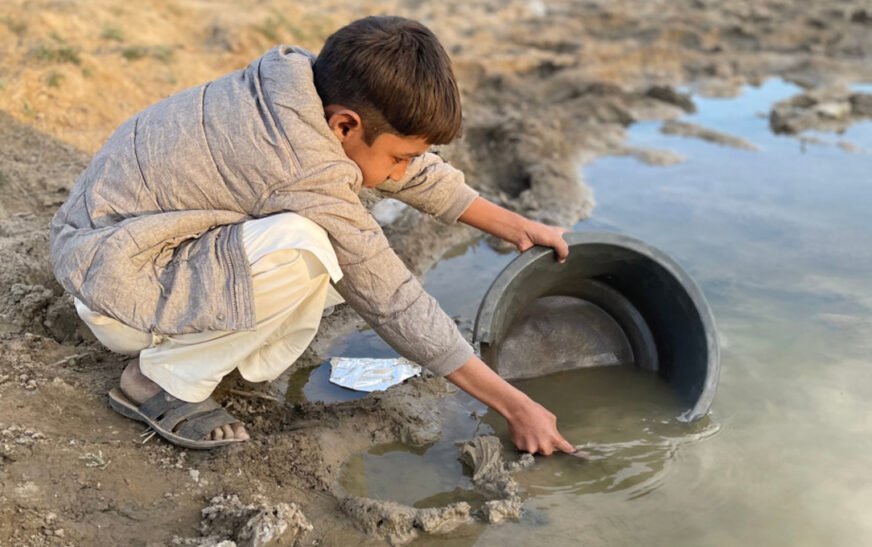
ISLAMABAD: The Asian Development Bank (ADB) has disclosed that safe drinking water is unavailable to 80% of Pakistan’s residents.
The ADB report states that Pakistan will need $3.5 billion to $4.2 billion in the coming ten years to enhance the management of its water infrastructure. Owing to the rise in population the amount of water available per person, in Pakistan has fallen by 2,400 meters.
The report indicates that between 1972 and 2030 the amount of water available per person is expected to fall from 3,500 meters, to 1,100 cubic meters. The shortage of drinking water is accelerating the widespread transmission of waterborne illnesses.
The ADB also highlighted that overuse of water in farming has caused both depletion and heightened contamination of water sources. Issues, like reverse river flows and inadequate infrastructure threaten the nation’s river systems. In regions water provision is still ineffective and oversight systems are fragile and water policies do not match the rising demand.
Every sector, such, as agriculture, industry and energy encounters issues related to water. Pakistan grapples with water storage facilities and a poorly developed canal infrastructure. In cities yearly water demand grows by 10% while untreated water and urban flooding impact health and public services.
The report highlights that the urban water infrastructure in Pakistan is deteriorating, with private funding in water systems. The increase in population expansion of cities and untreated water pose risks, to the water ecosystem.
While Pakistan has made progress in developing a water governance framework, funding remains insufficient. Urban areas suffer from high water losses, poor billing systems, and low tariff recovery. The report stresses the need for large-scale infrastructure projects to improve water storage and supply.