
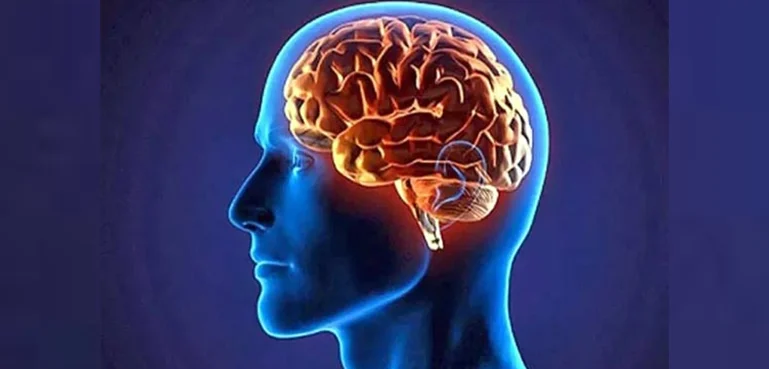
The human brain, long regarded as a single organ developing through a unified process, may in fact arise from two distinct neural systems, according to a new study by researchers at Stanford Medicine.
The study challenges the conventional understanding of brain development, finding that the front and rear sections of the brain originate from separate groups of cells during early embryonic development.
According to the researchers, the two groups follow separate developmental paths and do not intermingle. One group carries the OTX2 gene and contributes to the development of the forebrain and midbrain, while the other carries GBX2 and forms the hindbrain.
The hindbrain plays a crucial role in regulating essential functions including breathing, heartbeat, sleep and appetite.
The researchers said the findings could provide new insights into the structure and evolutionary history of the human brain.
The study also marks progress in growing human hindbrain neurons in the laboratory.
Researchers have previously faced difficulties in producing these specialised nerve cells, limiting the study of conditions affecting the lower brain and brainstem, including spinal muscular atrophy and amyotrophic lateral sclerosis (ALS).
The laboratory-grown neurons displayed electrical activity and produced proteins normally found in hindbrain cells, suggesting that they could provide a useful model for studying neurological disorders.
The researchers said the new model could eventually help scientists better understand diseases affecting the brainstem and lower regions of the brain and explore potential treatments.
The study also suggests that the division of the brain into distinct cellular lineages is not unique to humans.
Researchers found evidence of similar developmental patterns in animals including chickens, zebrafish and acorn worms, indicating that the separation may have been preserved throughout hundreds of millions of years of evolution.
Read also: Vitamin C may help protect brain function, researchers say