
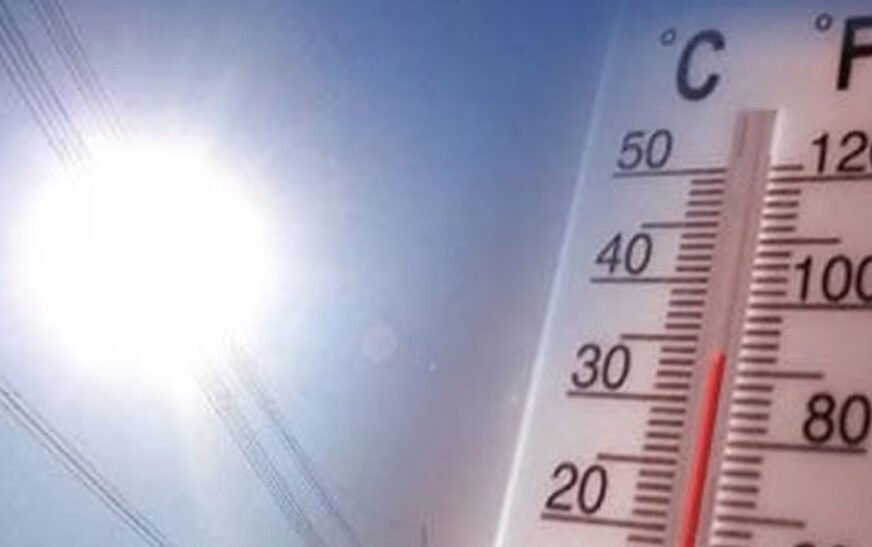
ISLAMABAD: As Pakistan continues to experience extreme heat and prolonged heatwave conditions, health experts are warning that the “feels like” temperature rather than the air temperature alone plays a more significant role in determining the risk of heat-related illnesses, including heatstroke.
Danish Baig, a meteorologist, described the “feels like” temperature as a measure of the actual heat felt by the human body. It is quite different from the temperature indicated on a thermometer as it is based on various factors such as humidity, solar radiation, wind speed, clothing, body structure and surroundings.
As per Danish Baig, the combination of all these factors makes it possible for people in the same environment to be experiencing different temperatures. For instance, it is expected that a tall person or an overweight individual wearing dark-colored clothing will experience more heat than a slim individual with light-colored clothes.
Moreover, confined spaces, humidity, and poor ventilation will increase the level of heat stress of the body, making the environment feel warmer than the measured temperature.
Experts in health have advised people to stay well hydrated by drinking enough fluids and electrolyte-containing fluids as well as eat plenty of fresh fruits and not expose themselves to direct sunlight during daytime.
Meanwhile, physician Dr. Iftikhar Malik said heatstroke can occur when the body’s core temperature rises to 40°C (104°F) or higher due to prolonged exposure to extreme heat. If left untreated, the condition can become life-threatening.
He said early symptoms of heatstroke include excessive thirst, headache, body aches, weakness, dizziness, and fatigue. In more severe cases, individuals may experience high fever, vomiting, unconsciousness, confusion, and difficulty breathing.
Doctors warned that children, older adults, people with heart conditions, and outdoor workers remain among the groups most vulnerable to heat-related illnesses during the ongoing heatwave.