
ISLAMABAD: The federal government on Thursday started considering several revolutionary proposals under the new “Auto Industry Development and Export Policy 2026-31” to make vehicle purchase within the reach of the common man in the country and revive the struggling auto industry.
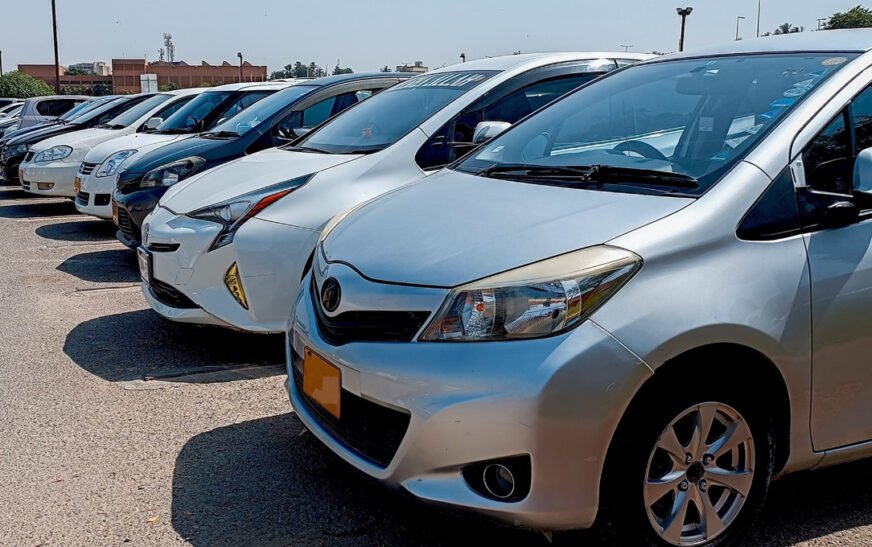
According to the policy, which is under discussion with the State Bank of Pakistan and auto industry stakeholders, it has been proposed to increase the vehicle financing period to 7 years, reduce the down payment to 15 percent and set the car financing limit for locally manufactured vehicles to Rs 10 million.
These measures have been proposed to restore the purchasing power of consumers affected by high interest rates and rising vehicle prices so that vehicle sales can once again increase in the market.
The proposed policy has also included strict conditions to protect consumer rights, under which the price will be fixed on vehicle booking, and the booking amount will be limited to 20 per cent of the total price.
If the manufacturer delays the delivery of the vehicle by more than 30 days, it will have to pay a penalty of Kaibor plus 3%, while the entire responsibility of the warranty will also be placed on the local manufacturers.
Along with this, a proposal to regulate the import of used vehicles in a phased manner and gradually eliminate the import tariff premium to zero by the fiscal year 2030 is also under consideration, so that healthy competition can be created in the market and affordable vehicles are available to consumers.
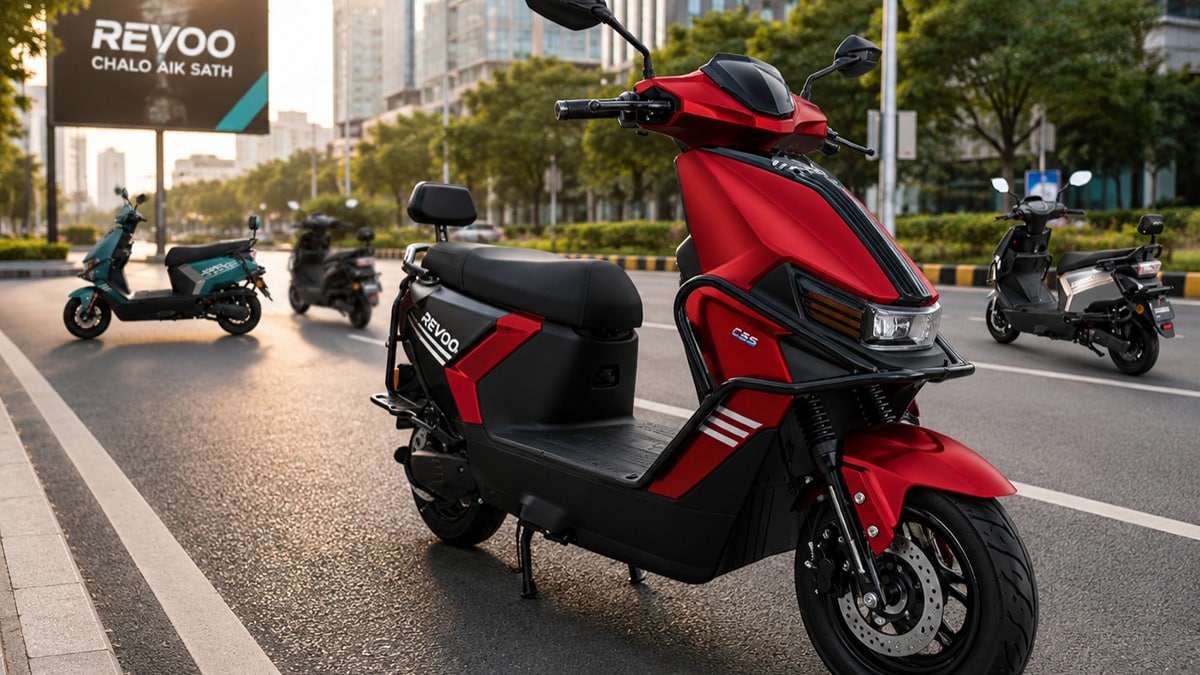
The government has also given special importance to the promotion of electric and new energy vehicles (NEVs) in this policy, under which a target of establishing 3,000 charging stations across the country by 2030 has been set.
According to the policy, complete exemption will be given to electric vehicles in Islamabad from the registration and token tax, while the process of replacing conventional fuel vehicles with electric vehicles will be started at the official level from December 2027.
The ultimate goal of this five-year plan is to significantly increase the production of 500,000 vehicles annually, auto exports of $1 billion, and local parts production (localisation) to further strengthen the auto sector’s share in the country’s economy.