

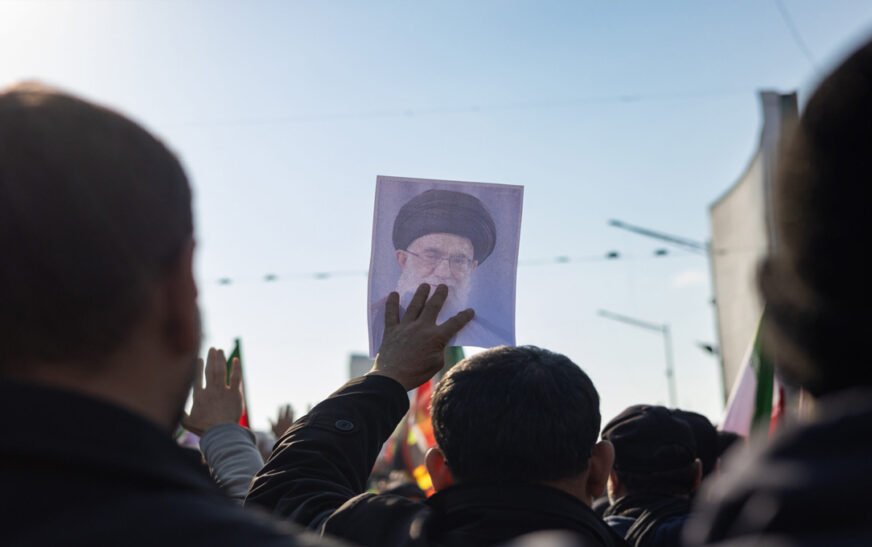
TEHRAN: The Interior Minister of Iran reported that over 12 million people have signed up to resist the United States of America and Israel. This impressive show of strength was reported only a few days after Iran appealed for its citizens to volunteer for the army and protect the sovereignty of Iran.
As reported by the Interior Minister of Iran, the call for volunteers received an enthusiastic response from the citizens, with more than 1.2 million volunteers within a week. The interior minister expressed optimism about the future of this campaign and revealed the government’s plan to motivate more citizens to join the Iranian army in resisting foreign nations.
While speaking to the Iranian press, the Interior Minister stated that the volunteering program would continue indefinitely, appealing to all citizens to come forward and join the army. It must be noted here that the program is open to all citizens interested in joining the army to oppose the enemies of Iran, i.e., the USA and Israel.
However, this need for registration is coming against a backdrop of increasing geopolitical tension, especially among Iran, the US, and Israel. It should be noted that with several other ongoing disputes and crises in the Middle East, this new development will certainly make things more complicated.
Iran’s Interior Minister’s move follows weeks of increasing anxiety about the possibility of a military engagement against Iran by the US and its allies. It can be inferred from the growing numbers of volunteers that Iran is ready for an extended defensive measure if things turn worse.
Given the current status of tension in the region, it is highly probable that the issue will attract much interest from the international community, especially from Western countries, which have always harbored suspicion regarding Iran’s intentions in the region.
Iranian Media: Tehran rejects US ceasefire proposal, demands permanent conflict resolution
Meanwhile, Iranian media reports state that Iran has officially dismissed the US ceasefire proposals that the US presented. The response through Pakistan shows Tehran’s position on the issue while rejecting the American conditions.
Iranian media reports showed that the Iranian government rejected ceasefire proposals because it demands a permanent and total resolution of the conflict instead. The rejection occurs at a time when Middle Eastern tensions have reached their highest point and people show increased fear about the ongoing situation.
Iran’s response consists of 10 main demands which require solving regional disputes while creating safe travel routes through the Strait of Hormuz. Iran demands that all international sanctions must end and that the United States and Israel must pay for the damage they caused through their military operations.
The 10 points demonstrate how Iran seeks to achieve its main goals of maintaining regional peace, reducing the effects of international sanctions, and solving problems caused by foreign armies operating in the area.
The ongoing diplomatic talks face serious obstacles because the situation remains unpredictable, with Iran maintaining its current position against US demands for a ceasefire that would permit diplomatic talks to continue.